The enigma of life has intrigued human minds for generations. Life weaves an exquisite tapestry of complexity, leaving us astounded by its beauty and perplexed by its elusiveness. Philosophers and scientists have spent centuries grappling with the universe’s mysteries. Artists perceive the mystery of existence as an invitation to delve deeper and marvel at the complexity that surrounds us.
Τhis is an open call to photographers who have cultivated a sense of wonder and curiosity, combining it with a critical position towards art history, environment, and politics. We welcome photographers who depict in their visual investigations many unknown aspects of life, such as subculture, life on the fringe or in luxury, human or natural unseen wonders or worked on the theme of miracles and riddles.
5 – 10images of your work (no signatures, watermarks or writing), attached to your email. Please do not insert the images on the email body. All images must be submitted as JPEGs (size 1500px on the longest side, 72dpi). The file name of your image must begin with the sequence number for the image followed by your full name. For example: 01_John Smith.jpeg.
Two to five lines of text to explain your approach. (Please, no artist statements.)
Inform us if you wish to participate in the printed edition of the magazine. We will contact you with further details if selected.
Your Instagram name so we can tag you.
The deadline to submit your entry is 31 July 2024 at 11.00 pm CEST. Participants names will be announced on 12 August 2024.
“Enigma of Life”
We welcome photographers who depict in their visual investigations many unknown aspects of life, such as subculture – images that makes us conscious of our own human existence, our ways of living and that of nature’s as well, through compelling visual stories. Two to five lines of text to explain your approach
My Submission
Dear Light Readings
Please find my images above for the open call’ The Enigma of Life’, and my text below:
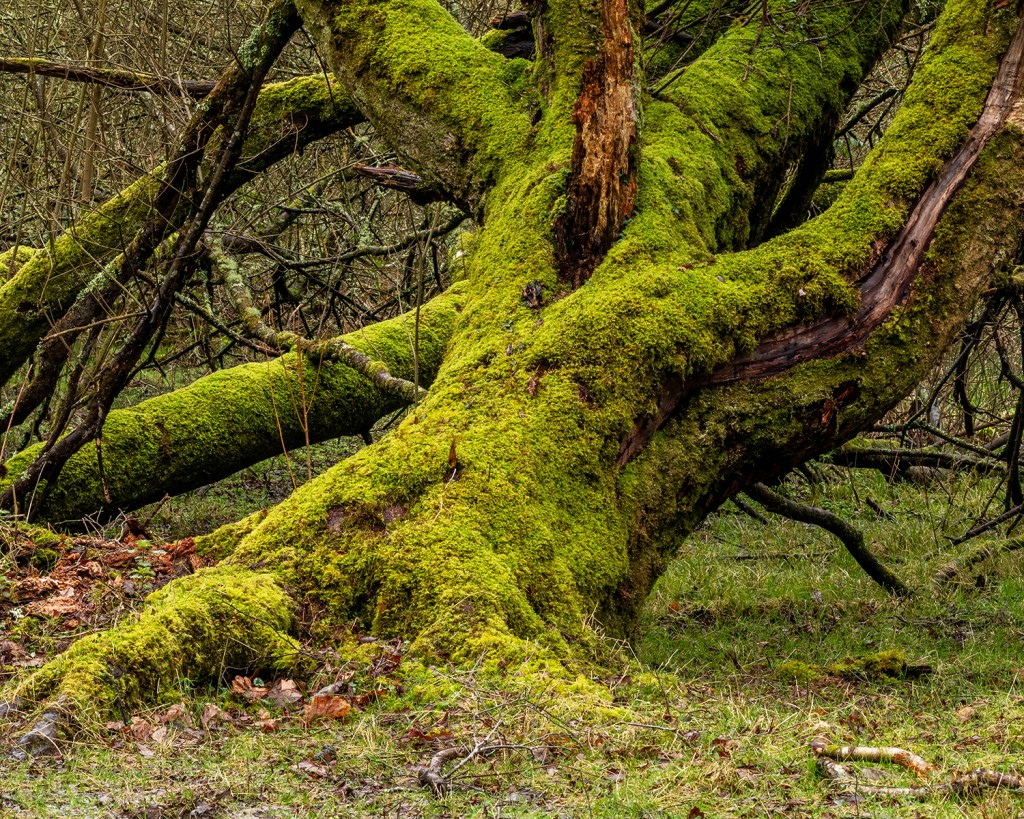
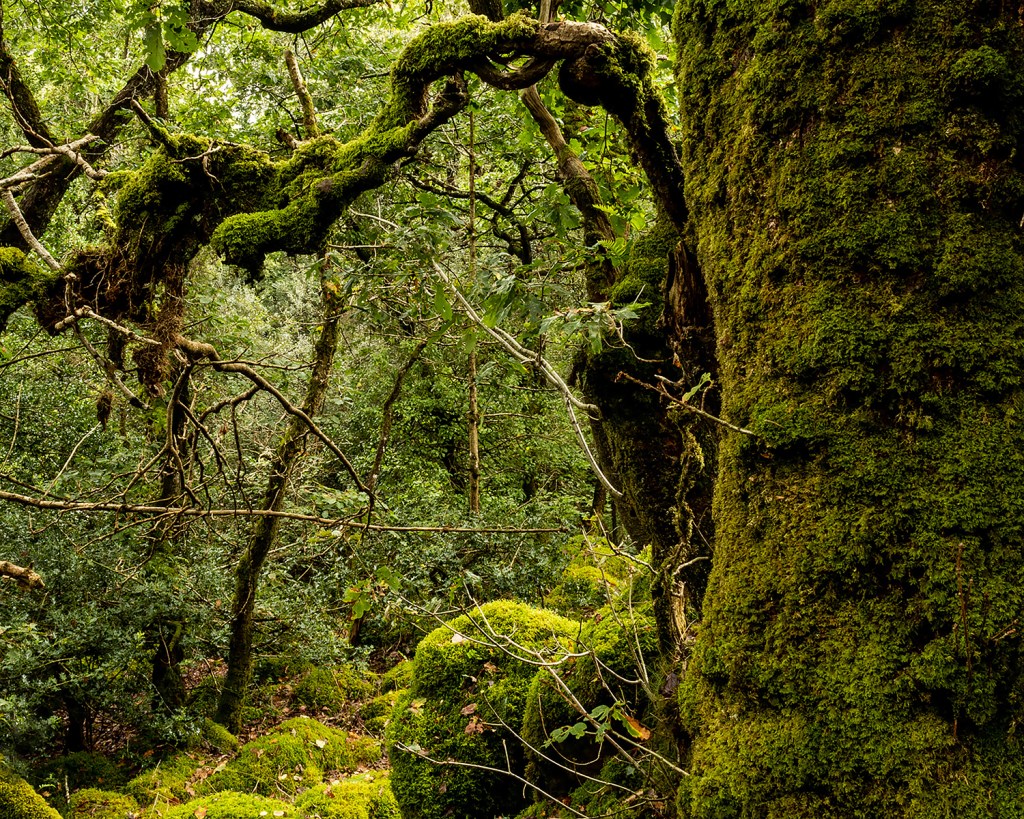
This work, ‘What Lies Beneath’, reflects on community using the landscape of an ancient woodland as a visual model where things coexist and support each other – a contrast to the local community which is often disharmonious and driven by difference, sadly a global issue. Here I point to the inclusive, characteristics of these diverse woodland societies, which would benefit many human communities:
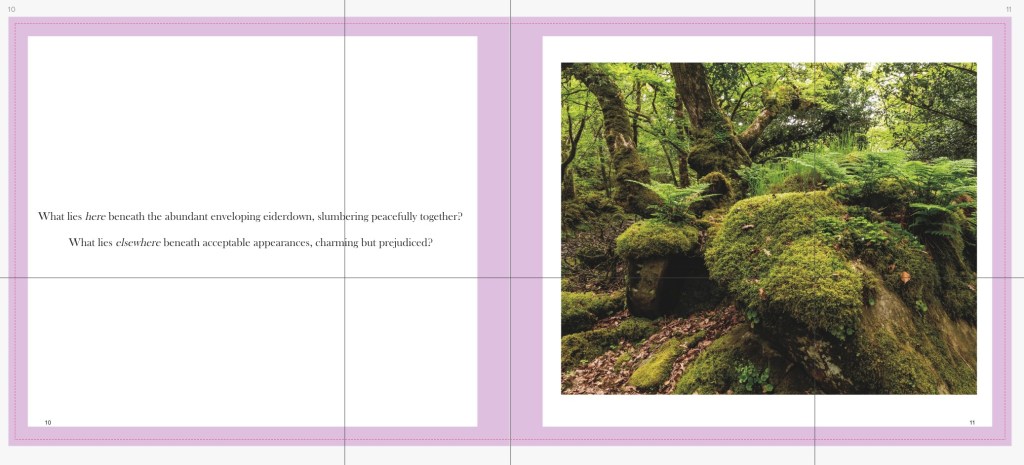
What here lies beneath the emerald wrapping, embracing their collective realm?
What lies elsewhere beneath man’s disguised demeanour, civil but sometimes deliberately divisive?
I would love to participate in the printed edition of the magazine if selected.
Ffotogallery is excited to present Ffoto Cymru – Wales International Festival of Photography.
Debuting in venues across the country in October 2024. Building on the successes of five editions of Diffusion Festival, audiences are invited to engage with photography in new and meaningful ways through a programme of exhibitions, commissions, conversations, public installations and events.
Our Open Call invites photographers to submit an existing body of work for consideration to feature as part of this year’s festival responding to the theme What You See is What You Get?
This opportunity is open to all artists inside and outside of Wales, but must respond to the theme of this year’s festival, “What You See Is What You Get?”. Up to four selected artists will receive a £400 artist fee, with all print and production costs covered by Ffotogallery as part of Ffoto Cymru 2024.
Selection:
The initial selection of digital submissions will be made by Ffotogallery. This decision is final.
Key dates: Submission deadline closes at 23:59 BST Tuesday 30th July 2024
Successful Artists will be informed w/c 5th August 2024
Digital print files of selected works to be delivered to Ffotogallery by Friday 16th August 2024
Exhibition Dates run 1st October 2024 – 31st October 2024
How to Enter: Complete the online submission form at the bottom of this page and submit. There is no limit to how many times you submit bodies of work for consideration but we will not display more than one series by any one artist as part of this year’s festival.
This work transforms subconscious thoughts, into the visually concrete. Though humans provoked the work, they are not evident in the images.
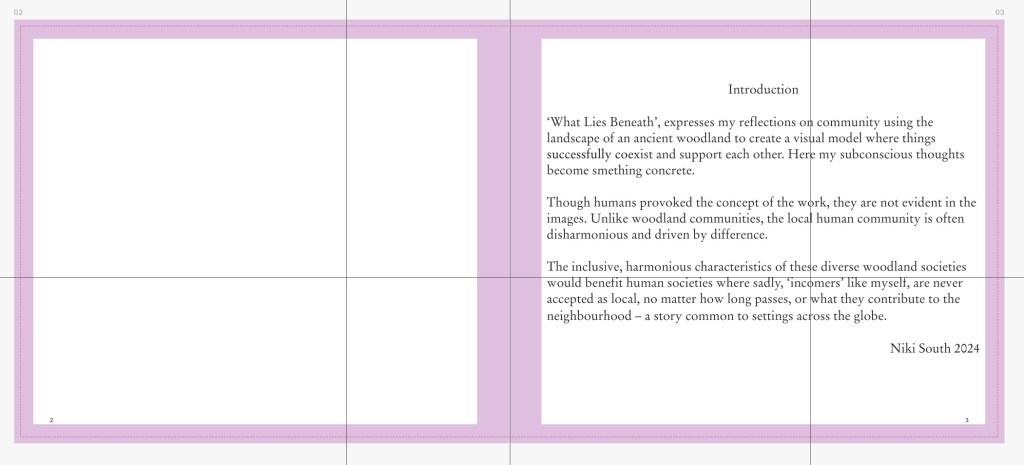
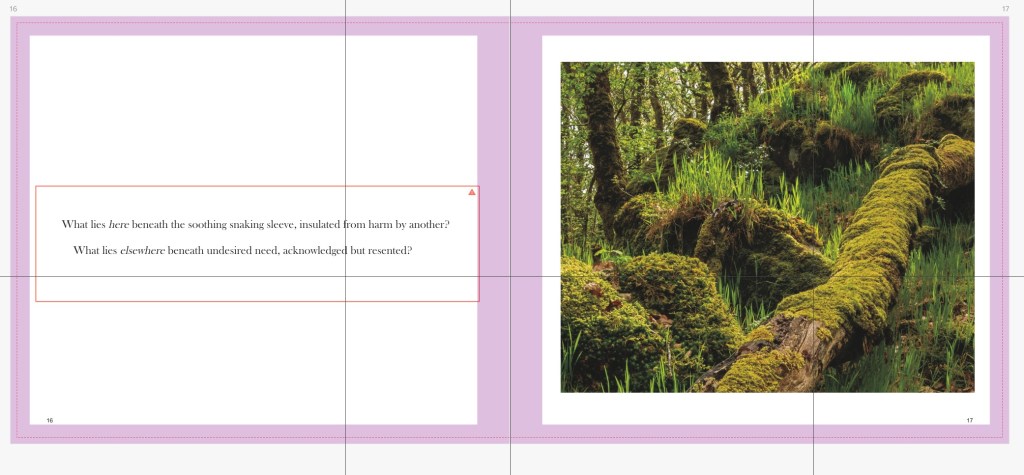
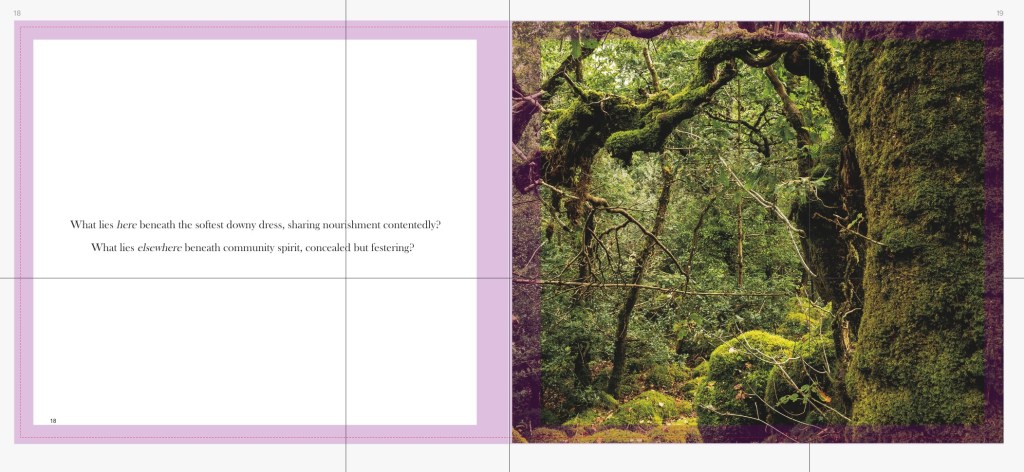
‘What Lies Beneath’ expresses my reflections on community using the landscape of an ancient woodland as a visual model where things coexist and support each other.
Conversely my local community is often disharmonious and driven by difference. The inclusive, characteristics of these diverse woodland societies, would benefit human communities where sadly ‘incomers’ like me, are never accepted as local, no matter how long passes, or what they contribute to the neighbourhood – a story common to settings globally.
In this work, combining the world in my head, with the one in front of me, has helped to heal some of the wounds that inspired the story’s beginning.
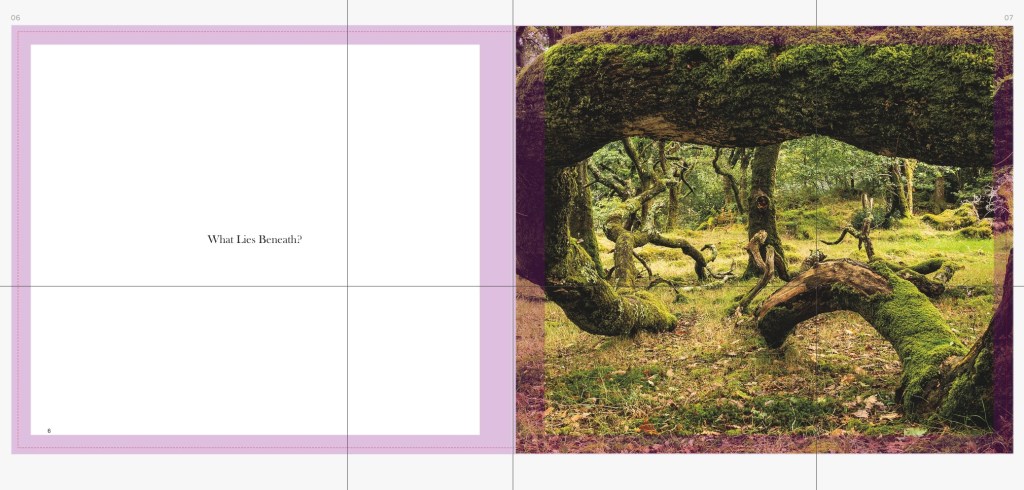
What here lies beneath the emerald wrapping, embracing their collective realm?
What lies elsewhere beneath man’s disguised demeanour, civil but deliberately divisive? 150
Please share a brief biography or artist statement (max 150 words) Niki South is a visual artist born in England, now living in Pembrokeshire Wales. Visiting Pembrokeshire she found a hiraeth (deep longing for the place), and after spending years living a ‘dual centre’ life between the two places, is now located there permanently. She is currently finishing her BA (Hons) Photography degree with the Open College of the Arts.
She uses photography as a medium for expressing her reflections, photographing in a metaphorical manner. Her work is shaped by research on ‘affect,’ expressing what is in a photographer’s mind, versus ‘effect,’ realism. Previous works have focused on ‘Layers of Truth,’ whilst others are visual metaphors on issues of the moment.
Niki’s photography is a personal response to dynamic landscapes both internally and externally. She finds combining the world within her head with the one in front of her cathartic – a way to filter and express her subconscious thoughts. (149)
Please submit up to three images that you are submitting for this application, or that best represent your project. (2MB file size each-verbal Bob 10 mb altogether) check submission detail on return to email
Ts & Cs iv: All works must be clearly labelled with the name of the artist, title of work and its orientation (landscape or portrait).
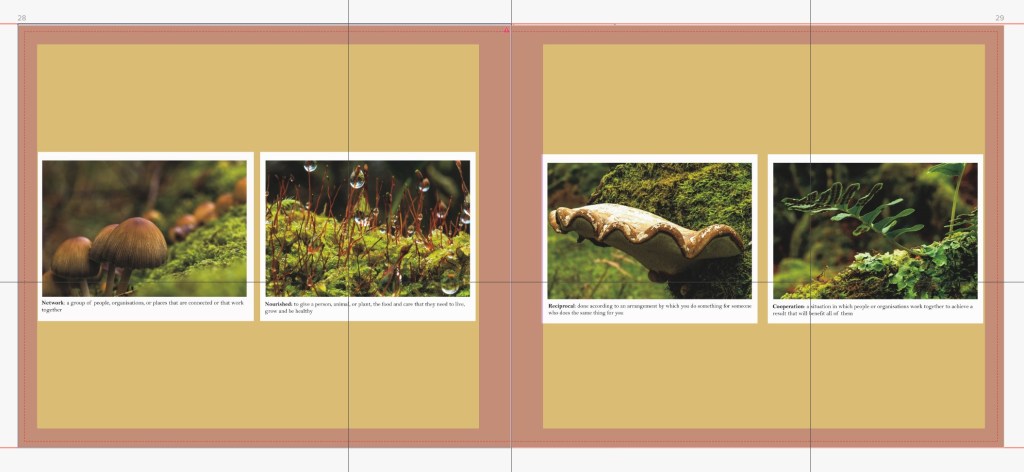
Community
Harmony
Cooperation
I wasn’t selected for this open call, which was a shame as I felt that my work fitted the brief well. It will be interesting to see what was selected.
27.8.24 (Sue faith Neil Rob Miriam Michelle Sarah Matt & myself)
This meeting there were 6 Students and 3 postgraduate OCA photographers.
I took the opportunity to ask my postgrad and undergrad peers to review my A4 draft submission, book dummy, press releases and publicity material. I posted these on an OCA Padlet and sent them by PDF to the post grads.
There was some feedback on the padlet prior to the meeting:
From Jonathan:
“think the work will look beautiful with the green cover, Niki. A few minor comments on layout, etc.:
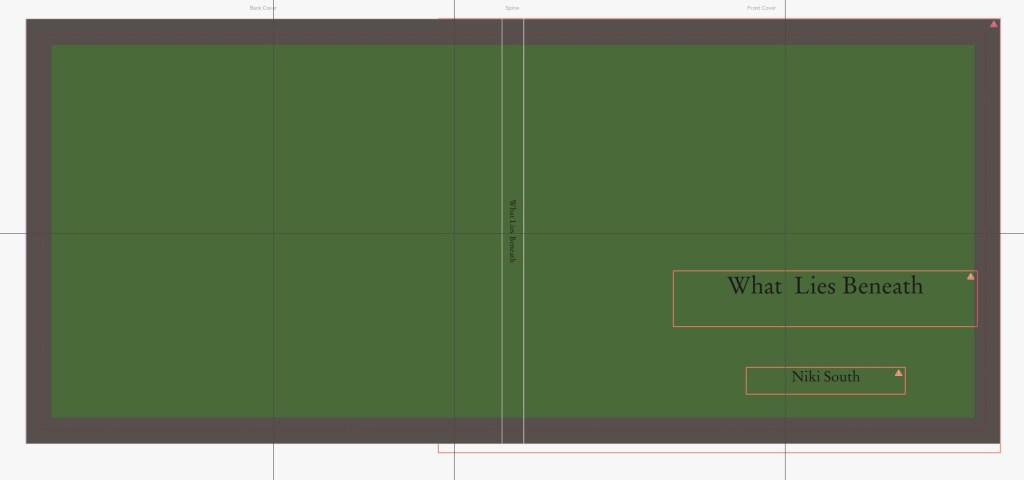
The location of the title on the title page is similar but not the same as that of the cover page so jars slightly – could be either the same location or more different? I agree I asked at the meeting and will move the title page down in line with the cover title
Introduction. Typo: smething (should be something?). Corrected..
Disharmonious/harmonious(try a synonym?). I like the empahasis have left as is
Also repeat of societies ? Have left as is.
Some of the images are full single page spreads and some are just slightly smaller – again more differentiation might help. Other peers didn’t agree though one suggested increasing the white space around the smaller images, I’ll try this
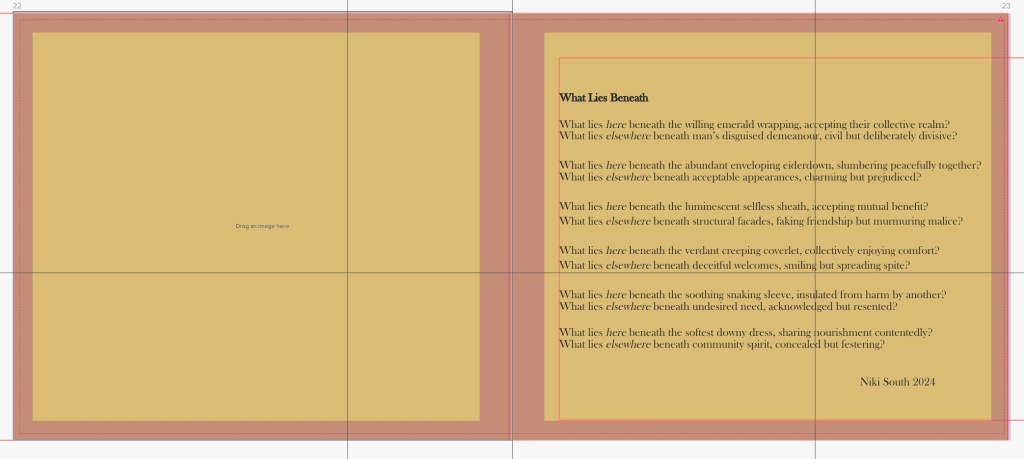
Not sure you need the poem twice? I asked the group and consensus is to move the poem to the back of the books.
The small images at the back could be four on a page RHS to match the RHS images through the book. This wouldn’t then be large enough but I asked at meeting for other ideas: see below comments.
p.31 image twice could use a synonym. Changed one to’photograph’.
From Miriam:
I’m not sure about the black text on dark green on the cover – more from a readability perspective.
Press release – after a period of reflection, rather than ‘over’ (and don’t ask me why exactly!). Changed.
Drop the quote marks on locals. Done.
Time spent ‘there’ rather than ‘in a place’. Done.
The ‘this situation’ sentence really need to follow the bit about locals rather than the bit about woods. Changed.
you could drop ‘over two pages’ on the Suboart thing, it seems to do that thing of drawing attention in a way that makes me wonder why it’s included. Done
For further information and For additional info could be one? We discussed this at the meeting and I’ll change it.
Postcards look great! Do the lines at the bottom show? if so, can you have one more, because it looks like an exercise book, which I like, but if it is, it feels like it needs another blank line for balance. No its okay they won’t.
Comments at the meeting:
Book dummy:
To put the cover text in cream to increase readability.
To echo this on the section (Tabacco) pages
Try the smaller images with just a little more white space around them
Move the entire poem to the end of the book
Asked about fonts and sizing and all thought was good
Intro place the date below my name. Done
Line the couplet start points up. Done
Footnotes:
Name something else, suggestions: under the microscope, inhabitants. Changed to constituents.
Place the 2 images on a page vertically. Done
Take them off of borders and place definitions in wrapped text by the side of them. This will make them more readable. Done
Place on white page. Done
We had a lot of discussion about the footnotes. A couple suggested I give them more dominance even equal to the main images. Most agreed with me that they are a supplement to the main images and also that it is my main images that I have been successfully “putting out there”. However I welcome the suggestions for reformatting them.
Further thoughts of my own: Try dark green section pages- have done this.
Press release:
Only have contact details once -done on artist talks
Include dates for Artist talks Change my blog. Done and material on talks testing the water
Following on from reviewing my work we had a long discussion about the huge benefits of our peer collaborative/support group. Our thoughts are that it goes a long way to correcting the physical benefits (darkrooms, printing facilities, technical support) that a traditional rather than online university has.
Sue shared the challenges of setting up her postgraduate exhibition.
From 23.7.24 to 2.9.24 I received considerable peer feedback on my Book dummies and press releases, which was helpful and led to redrafts of my project.
The brief: Complete this assignment before the publication of your work. This is your final opportunity to get tutor feedback on your work before it is exhibited or otherwise launched to a wider audience.
Send your tutor a final draft of your work together with the promotional materials you have prepared.
What you send to your tutor will depend on what you’re doing for your publication. Whatever form your publication will take, you must be able to provide your tutor with a good sense of how you envisage it being presented. Any of the following may be appropriate: page layouts; print sequences; installation maquette/sketch; recce shots; web page previews.
Also send to your tutor:
Your artist’s statement about your work.
Your artist’s biography.
A press release for your publication.
Any other promotional material or evidence of promotional activity relating to your publication.
Any strategies you have for assessing footfall and collating audience feedback.
Printing software (Blurb Bookwright). I have downloaded affinity software to use with my final book product with Exwhyzed
Comparing printer’s capabilities, costings and quality (through samples) ready for my end product: Exwhyzed, Mixam, Blurb.
Printer’s design software (moo) when making publicity and feedback postcards
Fine- tuned my artist statement and bio, and gained experience numerous experiences of adapting it for various audience
Adobe my portfolio when building a website and managing the content. I have been contacted about my work via my website
Press releases – by research and writing my own
Putting my work out there through open calls and reviewing with peers and postgraduates also. My work is featured over two pages in the August edition of Suboart Magazine, is to be shown at the Glasgow Gallery of Photography in October and was chosen for the Shutterhub 2024 Yearbook.
I should ‘attempt to engage a public audience with my major project and the extent and appropriateness with which I attempt this’ will affect how my work is assessed. Assignment Four asks me to submit a final draft of my publication, and my promotional material for it, to my tutor for feedback. Assignment Five, which I’ll submit later, asks me to provide a reflective account of I’ve resolved my publication.
FINAL EDIT AND EDITING FOR DIFFERENT CONTEXTS
I had a clear concept in mind- What is the work actually about? A woodland community as a model for inclusive harmonious behaviour.
Through my various stages of editing my Body of Work images for each photograph, I asked ‘how does this relate to my concept?
I revised the sequencing for the book layout, after my photobook research. I know it needs a rhythm and a tempo, with quieter images punctuating the ‘louder’ images. My sequence will create a narrative of which I can control.
I should get further opinions, beyond my peers and intend to have a portfolio review which includes my book draft, not just my images. Also I should bear in mind that Non-photographers can make excellent editors as they’re likely to look at what the photograph communicates, rather than how it was made
Due to the local sensitivity of my project, I will not be holding an exhibition, though I am putting my work out there for open calls and I do have work being shown at the Glasglow Gallery of Photography in October and two page spread in Suboart August Magazine which include context and information about the project. I have also featured in Shutter Hubs 2024 YearBook (with only 249 other photographers world wide).
I am going to bring together all elements of my work into a book, which I will share in artist talks locally.
THE BOOK
The OCA course book provides some words of caution:
‘Generally speaking, students who decide to present their work in books don’t actually do a very good job of it. This comment is meant to be cautionary rather than off-putting, because the book is an exciting medium within which to present your work and can really enhance the narrative of your project’. (OCA SYP course book:P69)
I have prior experience with making photo books, with an online print-on-demand company, Blurb. The coursebook suggests:
‘Whilst Blurb is an invaluable resource for both making and distributing photo books independently from a traditional publisher, you may not actually be aspiring to publish or market your book, and are perhaps looking to create something that is much more individual – more of an ‘artist’s book’. If this is the case, then you may wish to retain complete control over the process (size, orientation, materials, etc.) and can supply your own pages, using exactly the paper stock and process you desire – most likely inkjet prints’
I realise that creating a photobook isn’t as straightforward and that some photographers who self-publish their work, commission specialist designers to work on individual projects to bring a different perspective to a body of work, and knowledge of architecture of the book, materials and typeface. However, as I’m not selling books and want to keep my costs down I will do the very best that I can with my own research which is evidenced in on my blog:
Why do I want to present my work in book form? It brings together my images and poetry (the concept) in a format where I can control who views it – I do want to share it during artists talks locally due to the sensitive subject matter.
What is it about the book, rather than a different medium, that particularly complements the narrative of my project? I intend my work to be reflective and an intimate object such as the book can be viewed over and over in different settings supports this ethos.
How can I maximise the photobook unique qualities to enhance the narrative of my project? Sections and footnotes can enhance the signposting of the concept of the images, to add to that given by my poetry.
After extensive research on photobook publishing I have sdecided to self print using an online printer, probably exwhyzed. I have made a PDF preview and one copy as a maquette (using Blurb printer) of how my book will be laid out, considering scale, sequencing, text and colours. This is relatively inexpensive.Then I will use either Mixam or Exwhyzedto make a more professional quality/appearing self published book.
I built it using Adobe portfolio, so with no annual fee for a domain name and after a few days of research and trials I achieved what I wanted to.
I am aware that my website is a first port of call for interested in my work and considered:
Professionalism: I believe it stands up well against other photographers websitess.
Content:
It has a landing page
About page: With my bio
Portfolio page: one for my major project What Lies Beneath and 1 for an earlier work Brexit. Both include introductions to my work.
Contact page:
Visual strength, I considered:
Considered typeface
Layout
Colours/tones
All peer reviewed and spent time looking at other photographers’ websites
I have checked how my website looks on a variety of devices.
Navigability is simple and obvious.
It is simple to refresh e.g. my your portfolio, bio, CV.
As I do not intend to sell my book it will not be encompassed on the website for sale- though I may mention that artist talks are available with a personal showing of the work in a book.
Apparently I can get Get Google Analytics (free) on my site to see where people are visiting from, what content is popular, what search terms people use to discover your site, how people move around the site. I need to look into this.
Social media and enhancing my online presence
I have previously considered some of the suggestions from the coursebook below:
Instagram – I began a professional photography Instagram earlier in the year and am posting on it and extending my followed and followers. I have a widget for it on my website. I will add it to my blog too
LinkedIn – I have updated my profile to include my photography. I will see going forwards if I need to use it to seek specific professionals or direct them to me.
My facebook remains a personal rather than professional tool, and is geared towards local contacts so is not appropriate for the engagement that I want for this work.
Vimeo, which I have used previously, I will bear in mind should I want to embed video on my website.
Twitter – Can take a very long time to acquire enough followers on to make meaningful contributions towards your publicity, so at this stage I am not starting this now. Should I change my mind in the future about how much I want to engage with an audience going forwards then I can revisit the idea.
Traditional media and press release
If I wanted wide local engagement I am aware that I could advertise locally using event listing websites and publications. These would be:
The local facebook ‘who what where when’
The well-used village telegraph pole
I could also contact the editors of my local newspapers like the Western Telegraph
None of these are appropriate for my project/book which is sensitive locally. However in a press release I would address:
What is the work about?
Why is it exciting and worth reading about?
Who I am – my background?
Why I made the work?
When and where can the work be seen? (physically and online)
Where will I be available for interview or comment? (Croaker, 2016:65, Broken OCA resource link)
I have written a theoretical press release for my book and a press release for my artist talks, These have helped me to focus on the important points that I need people to know.
If a gallery or organisation is hosting an exhibition of my work, I will be clear which of us will contact which publications and listings.
Agents and other marketing opportunities: I am aware of photography agents, though they are not appropriate for my project.
WRITING MY ARTIST’S STATEMENT
I have honed my artists statement over the past few months and constantly adapt it to the requirements of a particular audience or open call. Give examples for an LO?
I have written an introduction for my book that functions within that context, and adapted it for my press release for artist talks, probably written on postcards.
They:
Address the core themes that the project addresses.
Address only the current work
Address the audience, as they may be mainly not photographic professionals locally.
are enthusiastic, and stress the importance/relevance of the project.
Dont impose a definitive statement of the work’s meaning on your audience. Leave some intellectual space to engage with it and draw their own conclusions.
Gathering feedback my your publication after it is ‘released’ is part of this process and will
help me assess the success of my publication – how much my work has managed to communicate the ideas or explore the themes that you set out to. I think this, rather than the numbers of visitors will be more appropriate for my work.
I can also use this feedback to help reflect upon how to develop the work further, or where or how I might exhibit it in the future.
Reference:
OCA (?) Sustaining Your Practice Part Four: Resolving and Promoting your Publication Coursebook. Barnsley
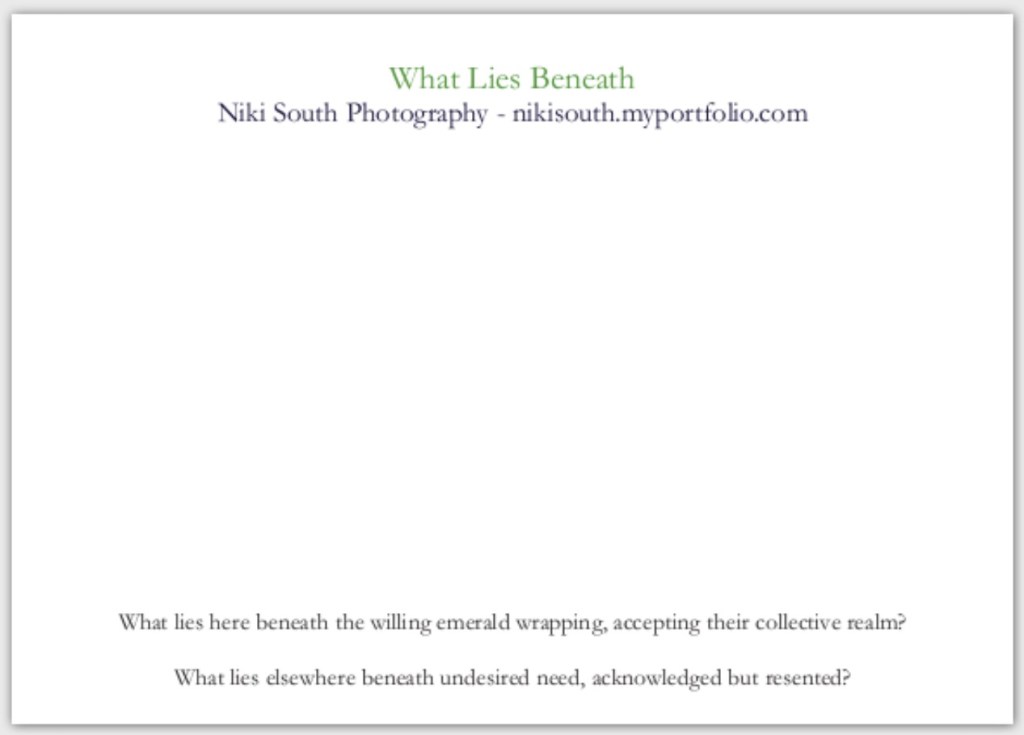
I have had postcards printed to use for promoting and personally inviting people to my artist talks. They will also be given at the end of talks to invite written feedback.
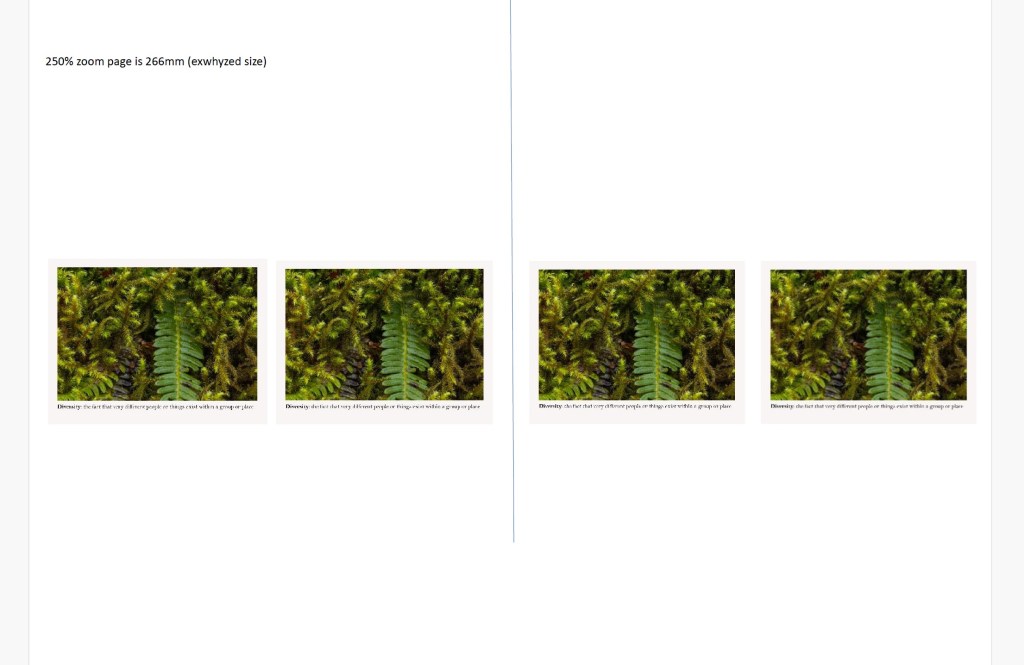
The fronts of the postcards are of 4 designs so attendees can choose one they like, including a bonus new image.
These are on 350gsm card, the fronts are uncoated so I can write personal invitations on and they can write their feedback on, the fronts are in gloss as the images will then “pop”. They are A6 109 x 152mm in size\;
The book press release below is a theoretical exercise at the moment for reasons that I have outlined in my learning log, as I don’t intend to sell my book at this stage. Whereas I know I will need a press release for my artist talks.
I must show why this event is significant, to persuade a news editor, art critic, or journalist to write about what I am doing, and audiences to attend my artist talks. Consider how I can hook a reader into my project, with detail into as few words as possible.
Process of drafting & reviewing to the final versions
Important:
A complete news story
One page only
Write in 3rd person
Include images – named
Year art made
size of work
include copyright notice
contact information for more information and to request images.
quotes about your work with a note of the source
Format:
Headline/title – include PRESS RELEASE in wording
My name/book title/venue/location/when
Image link to others (website)
Sub-headline: one line explanation
Lead paragraph : Who (Bio) what when where how and why – not my artist statement
1st para: short explanation including interesting points
further information section , includes contact information
Separate document provides image information for editors: This is a final section of bullet points that emphasises the important parts of your press release. Essentials:
Artist, venue
location
when
unique image file name
Year of work
Size of image
Material
note if using a book seller, they will provide some details but rarely link to an artists web site or social media spaces. I have written a theoretical press release for my book as well as a press release for my artist talks
Final versions, revised following 2 drafts and Peer feedback:
The ‘this situation’ sentence really need to follow the bit about locals rather than the bit about woods.
you could drop ‘over two pages’ on the Suboart feature, it seems to do that thing of drawing attention in a way that makes me wonder why it’s included.
For further information and For additional info could be one?
after a period of reflection, rather than ‘over’ (and don’t ask me why exactly!)
On version 2:
Press Release v2 — looks fine to me. Just say Book Launch – What Lies Beneath by Niki South (you mention you photograph the woods later).
LO1 demonstrate comprehensive knowledge of the professional context(s) relevant to your practice and have an understanding of the professional dimensions that underpin a successful photographic practice.












 NIKI SOUTH