REFLECTIVE JOURNAL: EXHIBITION

Study day Bristol Photo Book Fair 24.10.21

This was extremely useful to me on many fronts.

Firstly, the material provided before- hand by the tutor Jayne Taylor on the padlet that she created for the study event.

The pre reading suggested on Photo Books was excellent, see my review on the padlet: https://oca.padlet.org/jayne_taylor2/d4orvu9j0b2o028l

Photobook Reviews

I am glad that I had done the course prereading on Photo books before the exhibition and as I enjoyed the books, I was able to assess the books for different criteria. There were those that I appreciated not for their content or concept but for their design.

There were those the design and their concept fitted.

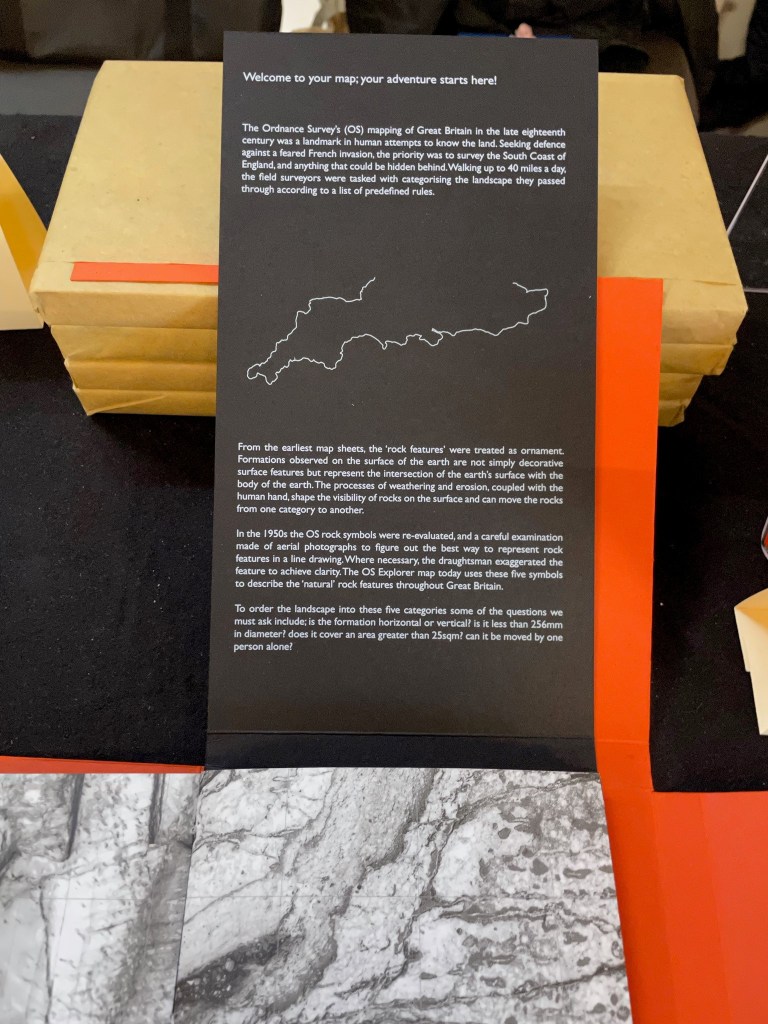
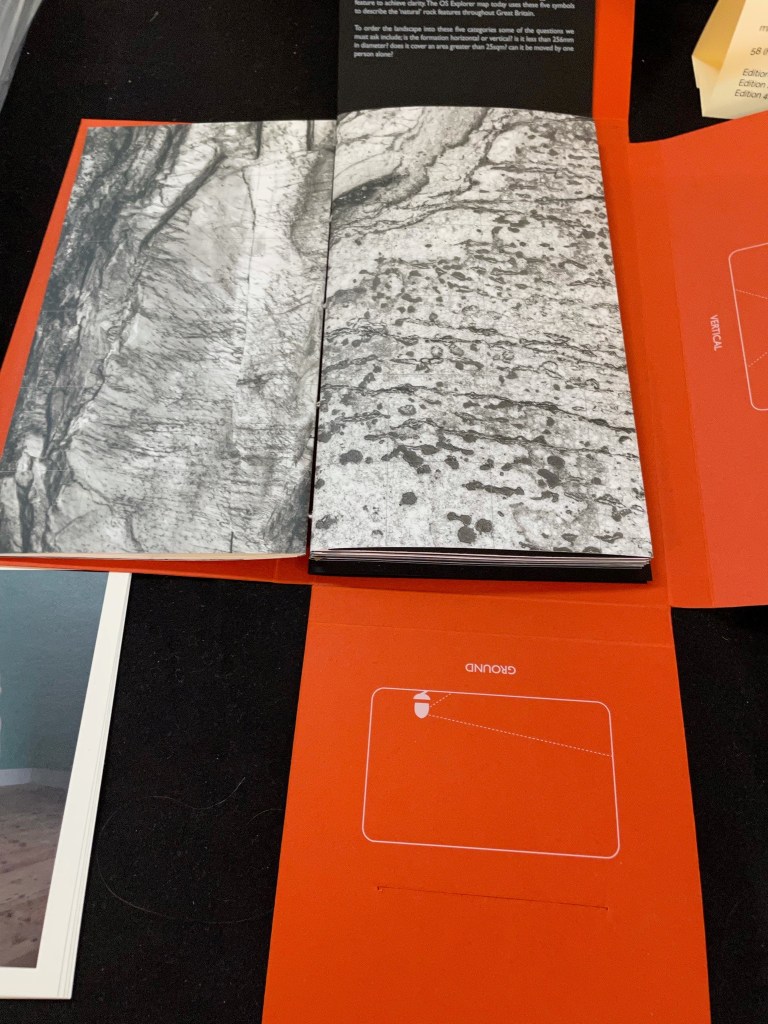
Tamsin Green’s this is how the earth must see itself, was my favourite. She made it whilst repeatedly walking the South Coast of England. It contains her images as well as archival material and uses the Ordinance Survey mapping system and symbols. In her walks she follows rock outcrops and photographs them in different scales. Green says that she:

oscillates between seeking to know and name the land, and melting into aimless wandering, loosing sense of time and scale. The process of ordering the images into these pre-defined categories throws up questions as pebbles become boulders, flowing water becomes outcrop…As with all classification systems, the rules are subjective, leading to their own telling of the story.”

The handmade book design emulates the shape of an OS map, the haptics has the same tactility and folds. Unfortunately, its price meant that I was unable to buy it to explore it fully, such a shame for me as the content was relevant to the work that I am doing. There is a vimeo video referenced below which takes you through the work, and the beautiful black and white landscape and still life images of rocks can be viewed on her website listed below.
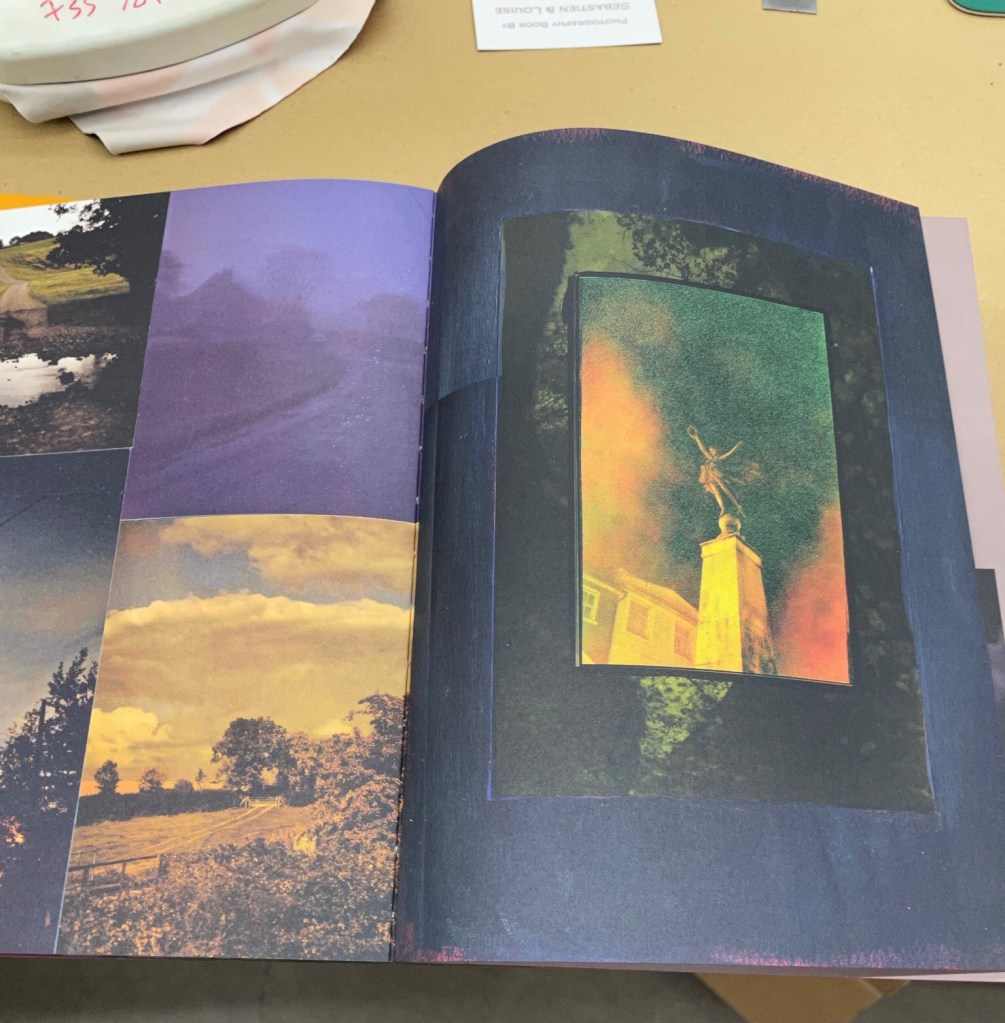
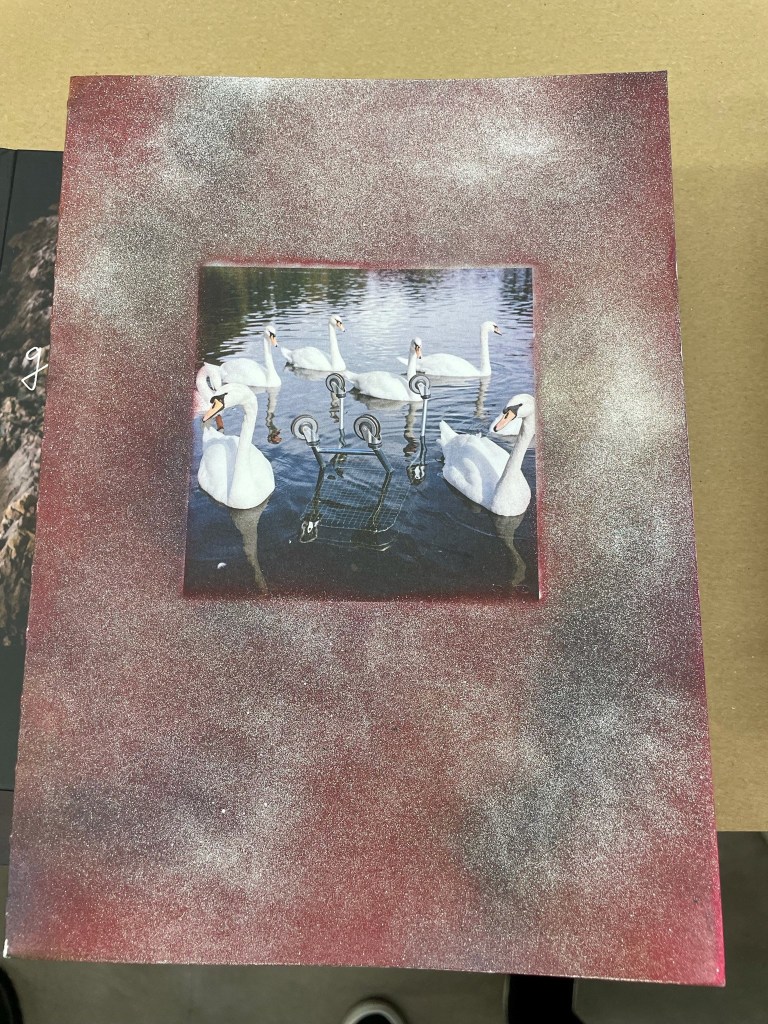
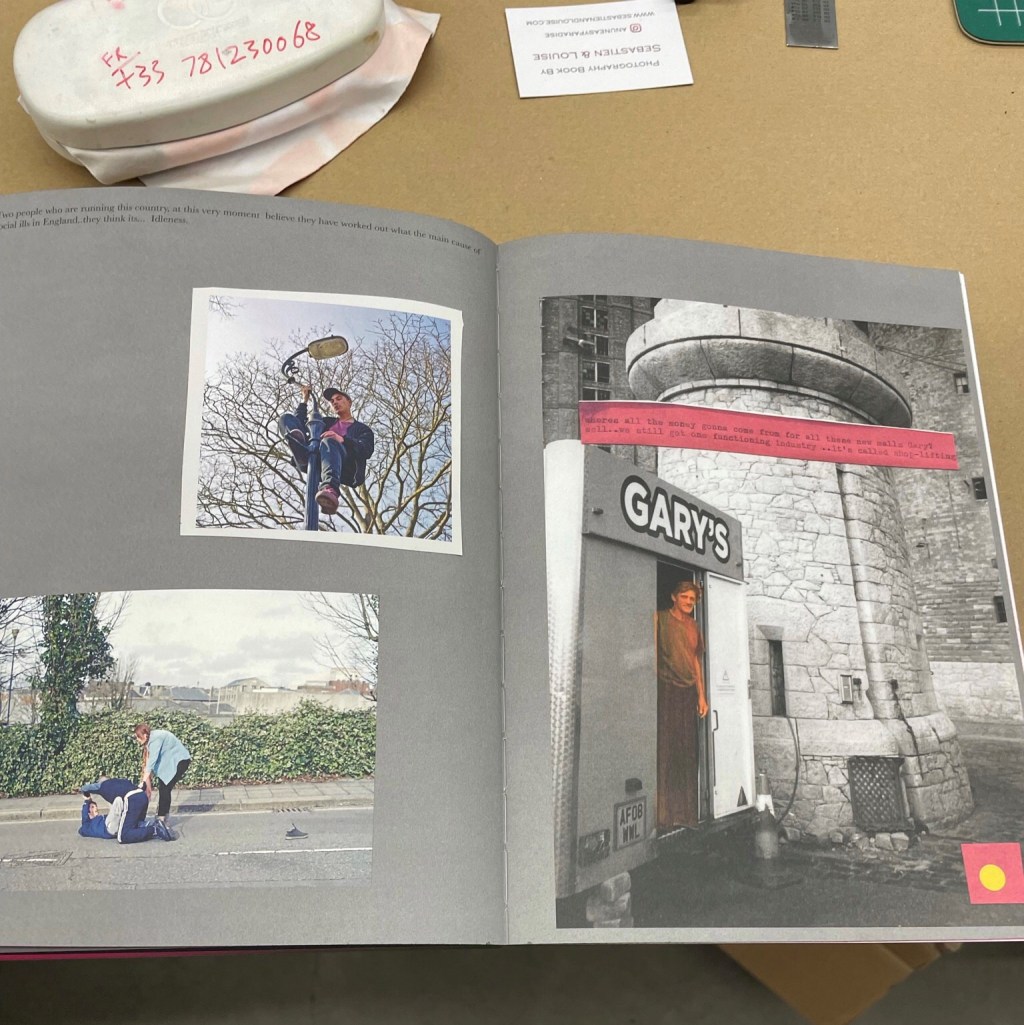
Robin Maddocks England. I was attracted by the tactile and handmade nature of his book, each cover individually spray painted by him, and each with four pages removed by him because he thought the book better without them. I thought that the variety of bold background colours used, and the varied text and image layouts fitted his images which were bold, graphic, and chaotic.
Billy Barraclough’s Murmuration’s, with poems and images of a variety of sizes, where the largest folds out to an A2 image. I would have bought this and been able to describe and comment on it further but unfortunately, he had sold out. From what I remember I think his subject the mass gathering of starlings did suit the book design; murmuration’s come in many different forms and their black and white natural colours was echoed in the black and white minimal book design.

Some designs I noted as interesting were:

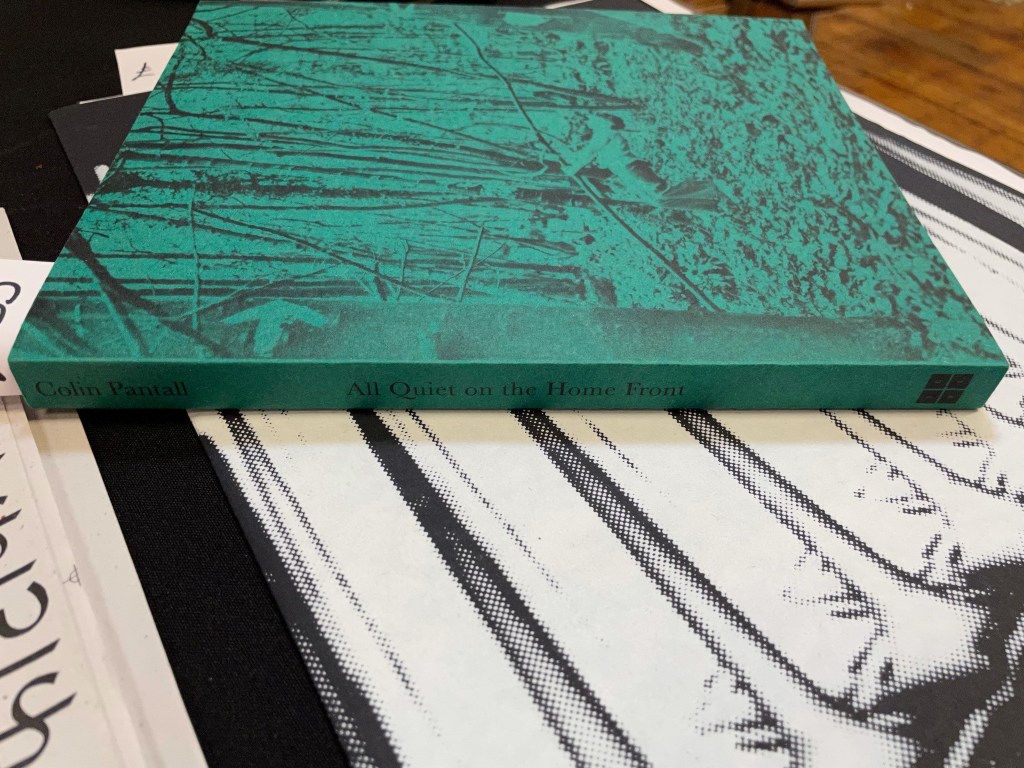
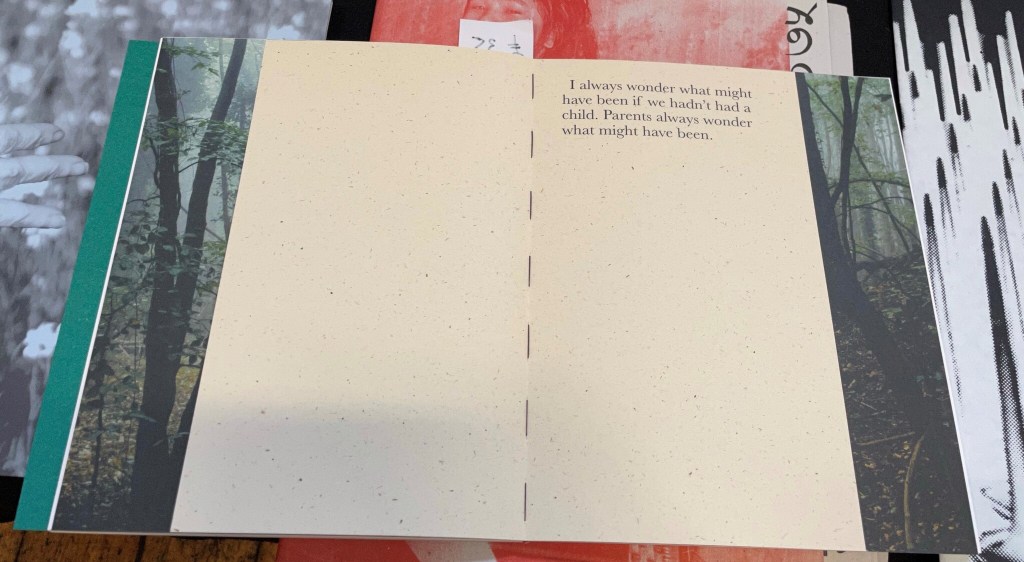
Colin Plantall, All Quiet on the Home front, where I liked the tactile raw, smaller text pages inserted into the book.
There were those that I took things away that were useful to me:

Mark Mattock Spring in the temple of plastic pillars and Where rude boys never think to look, both landscape photography of edge lands. I was taken by the gate folds in the later book of scrubby woodlands. Mattock described to me how he had chosen the gatefolds to emulate the feelings of claustrophobia in those woodlands, and once described this did enhance my experience of his book.

References:

THIS IS HOW THE EARTH MUST SEE ITSELF – Tamsin Green (s.d.) At: https://www.tammidori.com/thisishowtheearthmustseeitself (Accessed 31/10/2021).

Green, T. (2021) this is how the earth must see itself: A walk with Natural Features – Tamsin Green. At: https://vimeo.com/567428495 (Accessed 31/10/2021).

EVENT PRE-READING REVIEW

The history of the photobook provided by David Company (Company, 2014) gave me lots of background information. I enjoyed the discussion on editing photobooks and his view that photographers are generally lousy editors of their own work. His final paragraph discussing a move from the recent widespread use of the term photo book to something more definable was thought provoking. Campany calls for some discipline around the term. Which led me nicely onto my next read below.

Towards a Photobook Taxonomy (Colberg, 2018), made me reflect on what a photo book actually is and I found his categorization really useful:

  • Catalog- Structured presentation of bodies of work.
  • Monograph- presentation of one body of work, usually financed by the artist.
  • Journalistic- text is often heavy and relies on journalist conventions includes Photojournalistic, Documentary, Encyclopedic,
  • Lyrical- the images are foremost, and the text is separated, if it does include an essay it is separated. Four types are suggested:
    • Poetic, without a story but with facets of one, close to a monograph, interpretive.
    • Elliptical, narrative ambiguity, not a linear story, possibly with visual symbols.
    • Linear, combines elements of the poetic and elliptical but reliant on its sequencing, more easily decoded.
  • Narrative driven: Text is often integral:
    • Photo novel.
    • Linear.
    • Elliptical. Subjective documentary.
    • first person narration

At this stage I would be most interested in Lyrical, elliptical or a narrative driven elliptical or lyrical for my current work.

The Photobook (Steptoe, 2020) also discussed the history of the photobook. But goes on to explain the history of photobook events, sales, fairs, competitions, and exhibitions. Again, it was the discussion it provided on the nature of photobooks which caused me to reflect on them in a new way. I had not thought before about the difference between a book of photographs and a photobook. These are set out here as that the photobook should have a purpose or concept, use physical prints when edit and sequencing, and have limited text, no text or a large amount of text.

In terms reviewing a photobook the description of the process of assessing them in competitions was useful: The value of the concept, the photography, the sequencing, the placement and design of the book spreads and the total look and feel of the book. It was also good to read the view that in terms of the form of the book almost anything can be called a book, even single or folded sheets. If I am to produce a photo book, I will look deeper at this and read Understanding Photobooks (Colberg, 2016).

Overall, I now realise I’d not really considers what makes a photobook, and the varied forms that they can take. This was useful to reflect on before going to the event but also will be invaluable should I decide on a photobook as an outcome for my Body of Work.

References:

Campany, D. (2014) The ‘Photobook’: What’s in a name? – David Campany. At: https://davidcampany.com/the-photobook-whats-in-a-name/ (Accessed 31/10/2021).

Colberg, J. (2016) Understanding Photobooks: The Form and Content of the Photographic Book. (s.l.): Taylor & Francis.

Colberg, J. (February 26, 2018) Towards a Photobook Taxonomy. At: https://cphmag.com/photobook-taxonomy/ (Accessed 31/10/2021).

Steptoe, B. (2020) The Photobook. At: https://rps.org/media/bj3ediin/photobook-article-apr-2020-pdf-for-issuu.pdf (Accessed 31/10/2021).

HELEN SEAR TALK AT BOP 24.10.21

Her talk was more useful for my practice and was about a work much different to that which I had researched on her previous work on her website, where it describes her work as focusing on the co-existence of human, animal and natural environments with a rooted interest in magic, realism, surrealism and conceptual art. Particularly of interest to me is her description of photography which “often challenges the dominance of the eye and the fixed-point perspective associated with the camera lens, and explores the potential of the artwork to activate and elicit feeling” (Sear, 2011). I must research her work more deeply.

Her talk at the BOP was on the development of her new book Era of Solitude (Dewi lewis publishing, 2018). The project was based in a warehouse premises of The Scrap Exchange, an organisation dedicated to re-diverting surplus materials from landfill. Sear saw it as a microcosm for our human relationships with, and impact on the environment and our immediate surroundings. In a makeshift studio she took portraits of visitors with hands holding chosen objects and photographed the place.
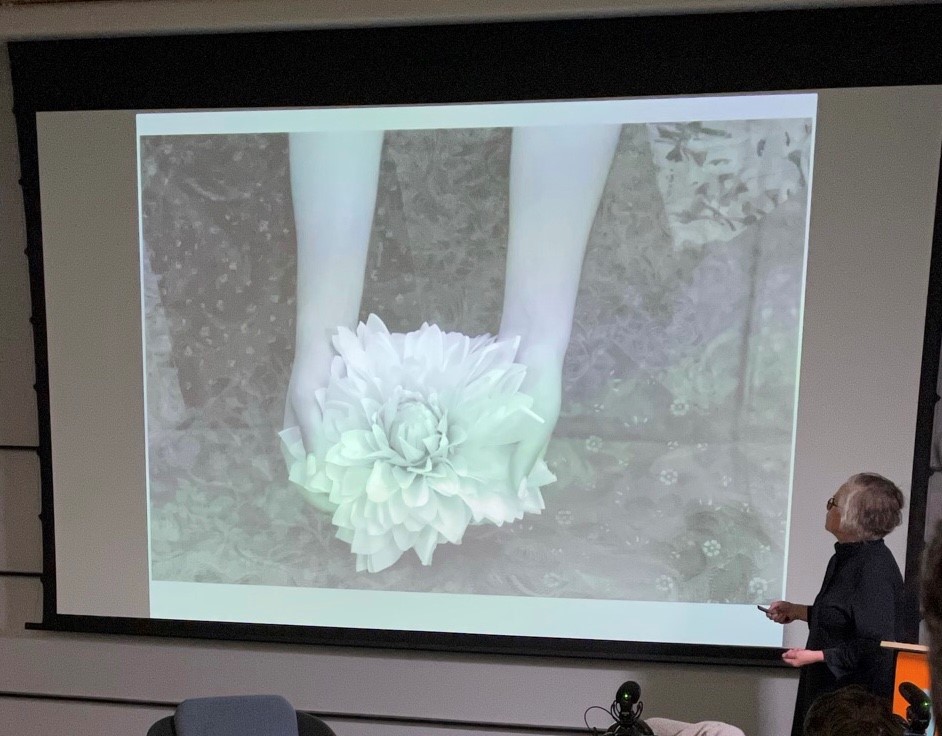
(Dewi lewis publishing, 2018)

She didn’t begin with the idea of making a book, it developed. She asked herself, how do you archive/capture/arrange something? Her process was intriguing:  

How do you archive/arrange something?

  • She put her own story in text
  • Used layering with scrap fabric as a process to bring texture to portraits
  • To connect BW and colour images used off white backgrounds
  • She used monochrome portraits to reduce visual overload which she described as paring back
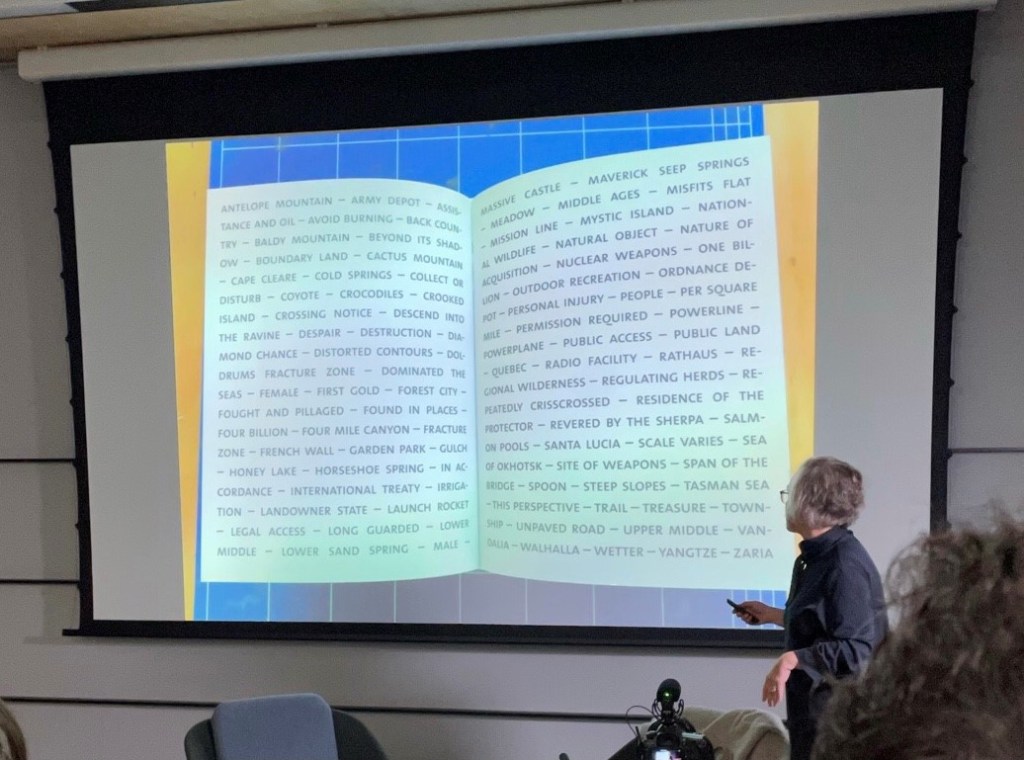
  • I took away her idea of putting associated words densely on a page, as a strategy.  
  • She made dummy books before choosing the format.
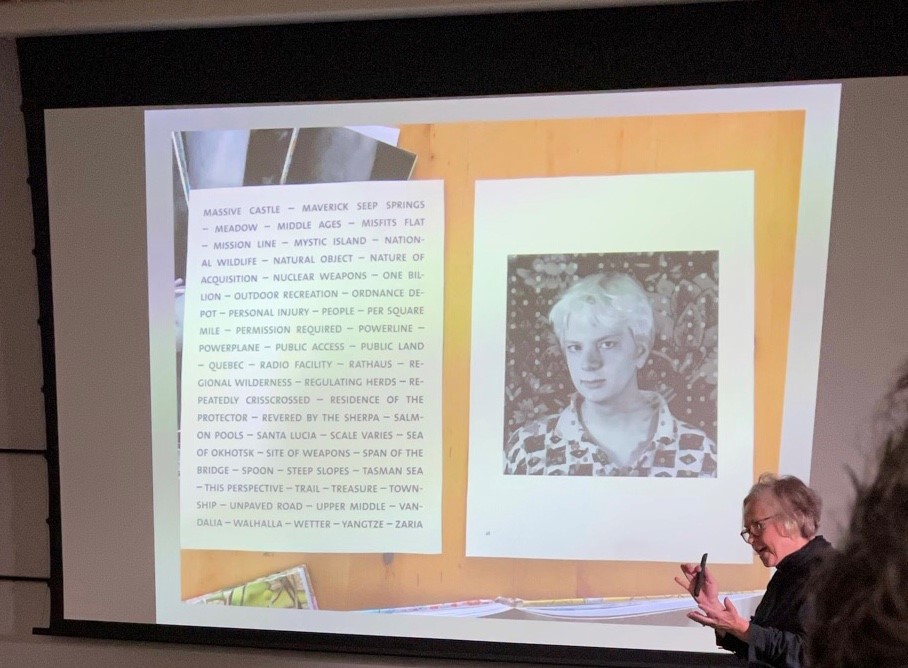
Also of interest to me is her current work in the ancient forests in France photographing the foresters’ marks on the trees.

My response

  • It was good to hear from an artist that an idea developed that was not the road they intended to go down initially; meaning when they had the subject, they had no idea how they would execute or present it – comforting to my situation.
  • Dummy books
  • How to bring texture to work with fabric, collage and layering.

References:

Sear, H (2011) Helen Sear. About At: https://www.helensear.com/about/ (Accessed 08/11/2021).

Dewi lewis publishing (2018) Era of Solitude. At: https://www.dewilewis.com/products/era-of-solitude (Accessed 08/11/2021).

Next post: https://nkssite6.photo.blog/category/reflective-journal/exhibition/helen-sear-within-sight-23-10-21/

REFLECTIVE JOURNAL: PERSONAL REFLECTIONS

BOW Introductory meeting Tutor 25.8.21

We discussed my initial ideas for my BOW and how this might translate into my 1st assignment. My Tutor described the work on the course as being “egg timer” shaped; beginning with broad strands, deciding what to focus on in a broad way and then expanding out again with detail.

Particular routes I might go down initially are psycho-geography, metaphor and journeys.

I asked what her expectations are for the delivery of assignment 1. She suggested that I shoot loads, possibly just with an I-phone, then develop 20-30 images on my camera.

My tutor suggested sharing my work with her via a padlet (using “Canvas” as a blank space, and a mid-grey background). There I can put an assortment of experimental shots and show my concept germinating – possibly 2 or 3 perspectives on a concept. 

She also suggesting looking at some other level 3 work, such as Judith Bach, who I know.

BODY OF WORK ASSIGNMENT ONE: REFLECTIONS AGAINST ASSESSMENT CRITERIA

Demonstration of technical and visual skills:

Materials, techniques, observational skills, visual awareness, design, and compositional skills.

  • I used Canon 80 D with two different lens, initially a prime lens and then a macro-1:1 lens. The location is extremely dark and consequently I used a tripod for each shot.
  • Slow and sharp observation was key to finding my subjects. I spent several hours each shoot immersing into the woodlands whilst tapping into the narrative in my mind.
  • Once I found a subject, I spent a long time composing the image so that it would say what I wanted it to, to me.
  • Visual language, different ways of seeing and representation are central to this project. But perhaps will become more obvious as my work develops.
  • I felt it was important to begin by presenting the landscape in colour as I was seeing it. However, going forward, I will represent it in black and white as I think this will provide more space for viewers to interpret as they wish; subjects will become less obvious and more interpretable.

Quality of outcome

Content, application of knowledge, presentation of work in a coherent manner, discernment, conceptualisation of thoughts, communication of ideas.

  • The images represent the woodlands as they present in colour, but as I’ve said above, I will present in black and white next time, which means that I will need to look differently when photographing.
  • I have presented my work here simplistically, showing my progression from different methods as I experimented moving from psychogeography, to landscape, to abstracts, to close-ups as this assignment was presented as an opportunity to experiment with genre and style.
  • I am aware that these images are reasonably “straight” and obvious, which is not necessarily a problem, but I do intend from now on to use increasingly use perspective to increase ambiguity. This I think will echo my intention well, as this reflection on community, is in a large part affected by perspective.
  • I have considered other conceptual strategies but am reserving further experimentation for later assignments.
  • My concept is set out in my A1 learning log: https://nkssite6.photo.blog/category/body-of-work/bow-assignments/assignment-1/a1-learning-log/,  but on reflection maybe I should have set this out in an artist’s statement accompanying the images. This may help viewers to connect with my narrative.

Demonstration of creativity

Imagination, experimentation, invention, development of a personal voice.

  • My intention to use the ancient woodland community as a visual metaphor for my local community is, I think, inventive.
  • I have experimented whist shooting these initial images and explored genre. This is shown in the development of my initial psychogeographical shoots and resulting images.
  • My photography developed as I moved from psychogeography at the beginning, to general landscape representation, then abstract and lastly to the close-up representation of community.
  • It is early days in this body of work, but I already hope that in my choice of subject for each photograph I am showing imagination and some personal voice.
  • It is the just the beginning of drawing parallels with the woodland and human community.

Context

Reflection, research, critical thinking (including learning logs, critical reviews, and essays).

  • As usual I have reflected throughout this process, particularly on how I would represent my narrative. This journey is described in my learning log.
  • I read widely about woodlands, in particular, before I prepared for photographing, to get a general background on how these community’s work. See my bibliography on Trees and woodlands in my A1 learning log.
  • I have used and added to previous research on photographers I have studied previously who have stimulated this work such as, Minor White and Alfred Stieglitz.
  • To this I have added research on contemporary photographers such as those who are part of the inside the outside landscape collective (see my A1 learning log notes: https://nkssite6.photo.blog/category/body-of-work/bow-assignments/assignment-1/a1-learning-log/ ).

Next post: https://nkssite6.photo.blog/category/reflective-journal/exhibition/bristol-book-fair-24-10-21/

BODY OF WORK: ASSIGNMENT ONE DRAFT

GENRE SHOOT

REFLECTION ON THESE IMAGES AND THEIR INSPIRATION:

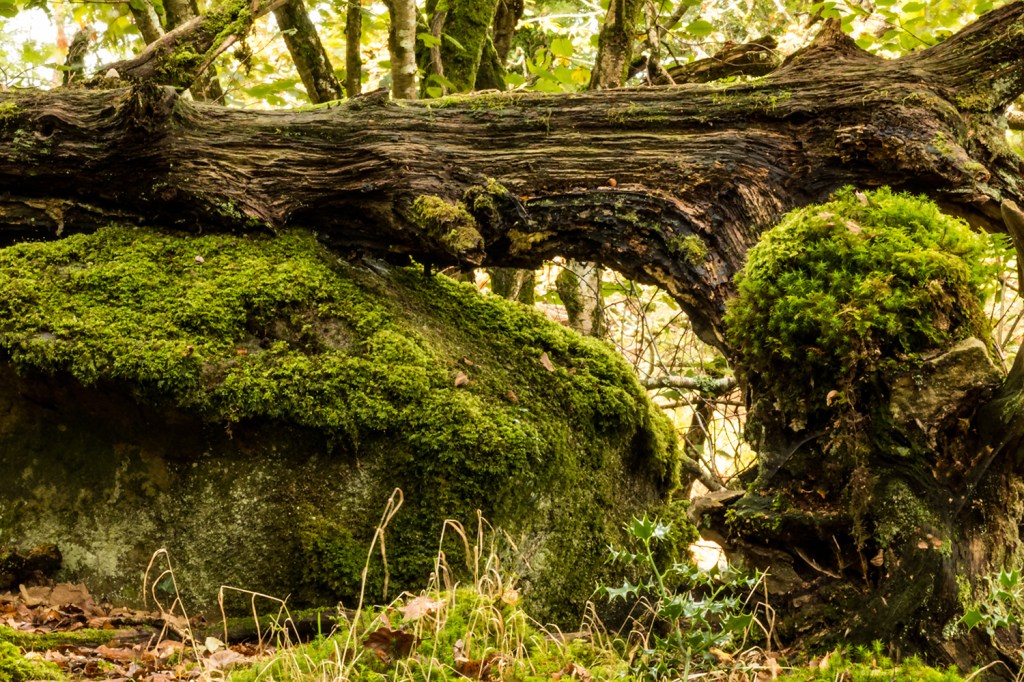
These images are first explorations of my subject ancient woodlands as a visual metaphor for my theme of community.

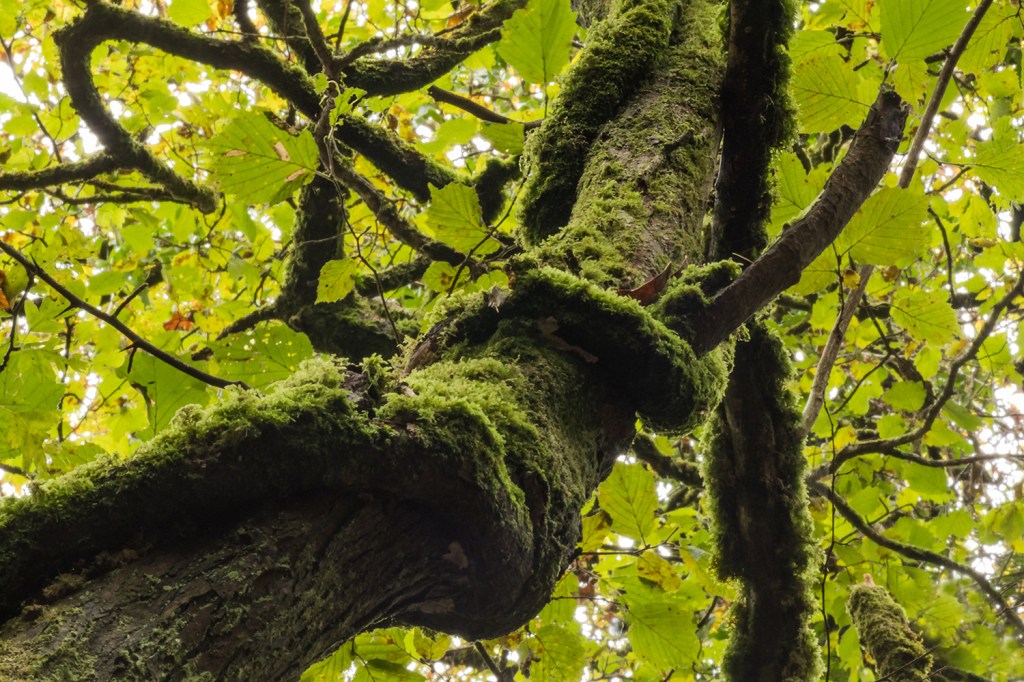
I began shooting with the genre of psychogeography, photographing my longer/wider viewpoint unfocused whilst moving, and stopping to shoot still and with clarity and in detail subjects that caught my eye. In this way I emulated my external and internal passage through the place. I photographed as I saw, in colour. My later shoots continued with a psychogeography backbone but certainly with an increasing less objective sight as I worked into my topic, and I began to genre hop. I was aware that I was also thinking conceptually as I looked.

I was influenced in my way of seeing by practitioners such as Minor White and Stieglitz who used the landscape to express ideas and emotions in a representational way. Contemporary landscape photographers such as Rob Hudson, Stephen Segasby, Guy Dickenson, Tom Wilkinson and JM Golding of the Inside Out collective gave me further inspiration to explore space as an internal and external passage.  As I shot, I increasingly found ways to enhance the aspect of community that the subject before me spoke to me of and shot as much what was in my sight as what was in my head.

The images I share here can fall into 3 groups (there are some that overlap):

  • Psychogeography/drifting
  • General landscape representation
  • Abstract representation
  • Close up representation

From these I can reflect further about my next steps, but at this moment I feel it is towards a mixture of landscape, abstract and close up. I may dabble with constructivism and conceptualism which I will do more research into, but I’m not convinced that I need to go down these routes to say what I want to in my work. I feel I need to work more into photographic styles that I have begun to develop so far in particular, landscape in abstract and close up, and use my absorption and new perspectives to share what I am seeing and feeling.

ASSIGNMENT ONE IMAGES

Psychogeography:

______

Landscape representation:

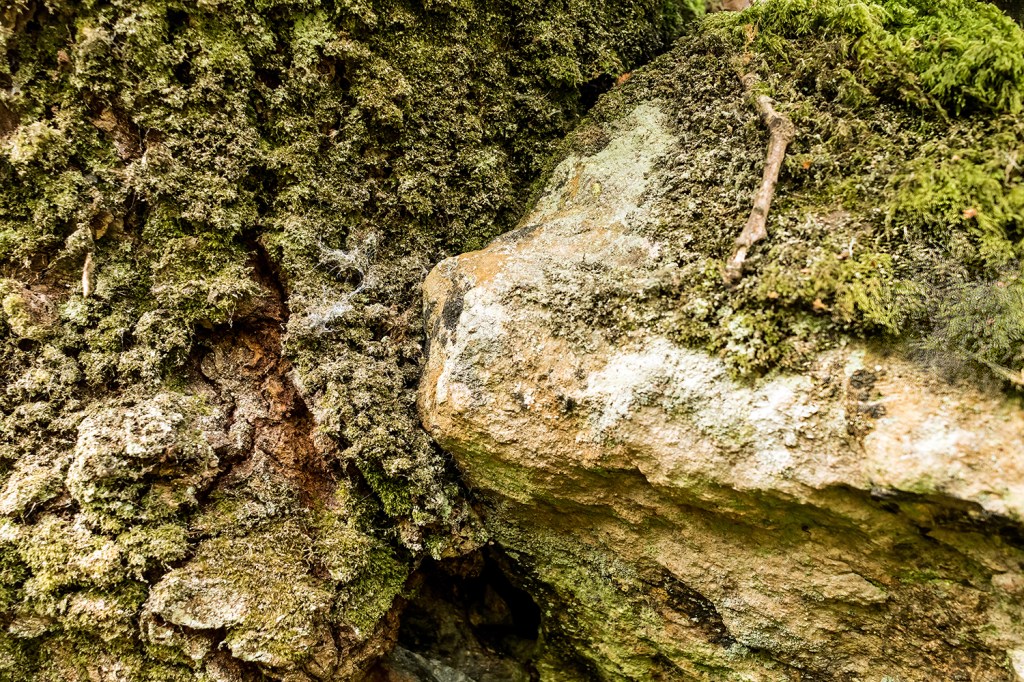
Abstract:

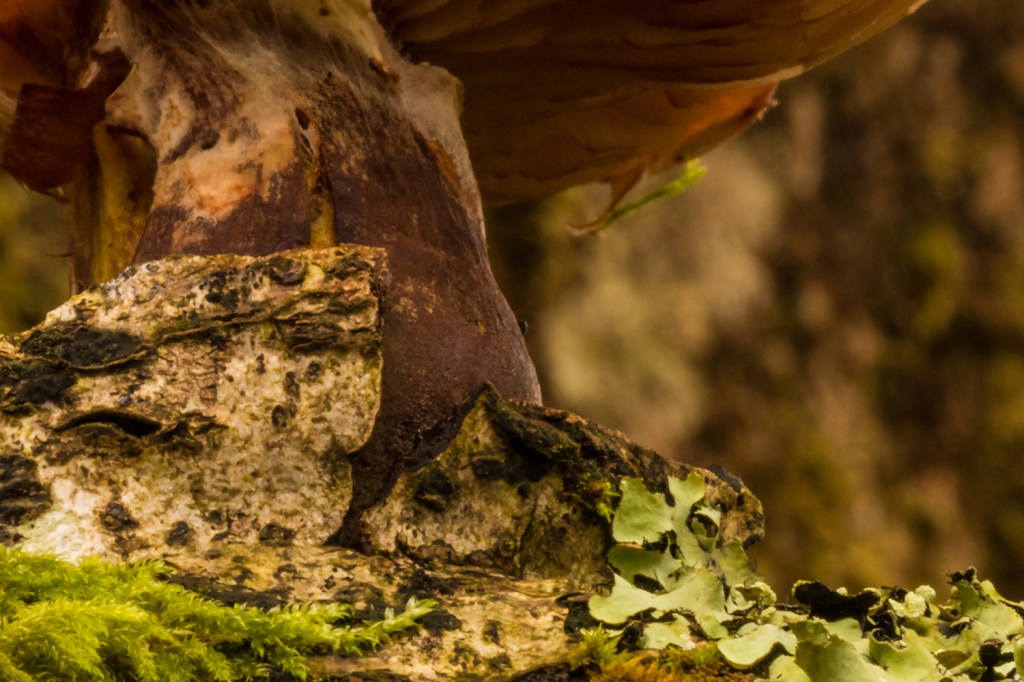
Close up:

For another representation of my assignment one draft and learning log see my padlet: https://oca.padlet.org/nicola514516/z3x3kdo18ilr4fal

Next Post: https://nkssite6.photo.blog/category/body-of-work/bow-assignments/assignment-1/a1-reflections-against-assessment-criteria/

RESEARCH: TREES BACKGROUND READING

WOODLAND BILBLIOGRAPHY- ITEMS SCANNED READ AT THIS STAGE:

Beresford-Kroeger, D. (2019) To Speak for the Trees: My Life’s Journey from Ancient Celtic Wisdom to a Healing Vision of the Forest. (s.l.): Random House of Canada.

Deacon, A. and ) V. D. A. (2020) For the Love of Trees. (s.l.): Black and White Publishing Limited.

Deakin, R. (2008) Wildwood: A Journey Through Trees. (s.l.): Penguin UK.
Geddes, L. and Finlay, M. (2021) ‘Unearthing the secret social lives of trees – podcast’ In: The Guardian 29/04/2021 At: http://www.theguardian.com/science/audio/2021/apr/29/unearthing-the-secret-social-lives-of-trees-podcast (Accessed 26/10/2021).

Grut, M. (2012) From Lumberjills to Wooden Wonders. (s.l.): Fineleaf Editions.

Huikari, O. (2012) The Miracle of Trees. (s.l.): Wooden Books.

Simard, S. (2021) Finding the Mother Tree: Discovering the Wisdom of the Forest. (s.l.): Penguin Books, Limited.

The Hidden Language of Trees with Suzanne Simard | Intelligence Squared on Acast (2021) At: https://play.acast.com/s/intelligencesquared/thehiddenlanguageoftreeswithsuzannesimard (Accessed 26/10/2021).

Weston, P. et al. (2021) ‘Why is it hard to get our head around fungi? (part one) – podcast’ In: The Guardian 30/03/2021 At: http://www.theguardian.com/science/audio/2021/mar/30/why-is-it-hard-to-get-our-head-around-fungi-part-one-podcast (Accessed 26/10/2021).

Wohlleben, P. (2017) The Hidden Life of Trees: What They Feel, how They Communicate : Discoveries from a Secret World. (s.l.): HarperCollins Publishers.

Next post: https://nkssite6.photo.blog/category/body-of-work/bow-assignments/assignment-1/assignment-1-draft/

BODY OF WORK ASSIGNMENT ONE: LEARNING LOG

BODY OF WORK STARTING POINTS:

SUBJECT: Community

VISUAL REPRESENTATION: Ancient woodlands

WORKING TITLE: What ancient woodland communities can teach local human communities.

THEMES: Visual language & representation- seeing- metaphors- equivalents- symbols-abstraction

GENRES: Psychogeography/landscape/conceptual

SHOOTING METHODS: Abstract/macro/landscape/construction

CONCEPT: Ancient woodlands as a visual representation of community

My interest is in community. I have been part of the local community here both as an insider and outsider, observed it keenly and photographed aspects of it before in my work. My perspective is that there are positives and negatives and many wounds and divisions that it would be good to heal.

CONTEXT:

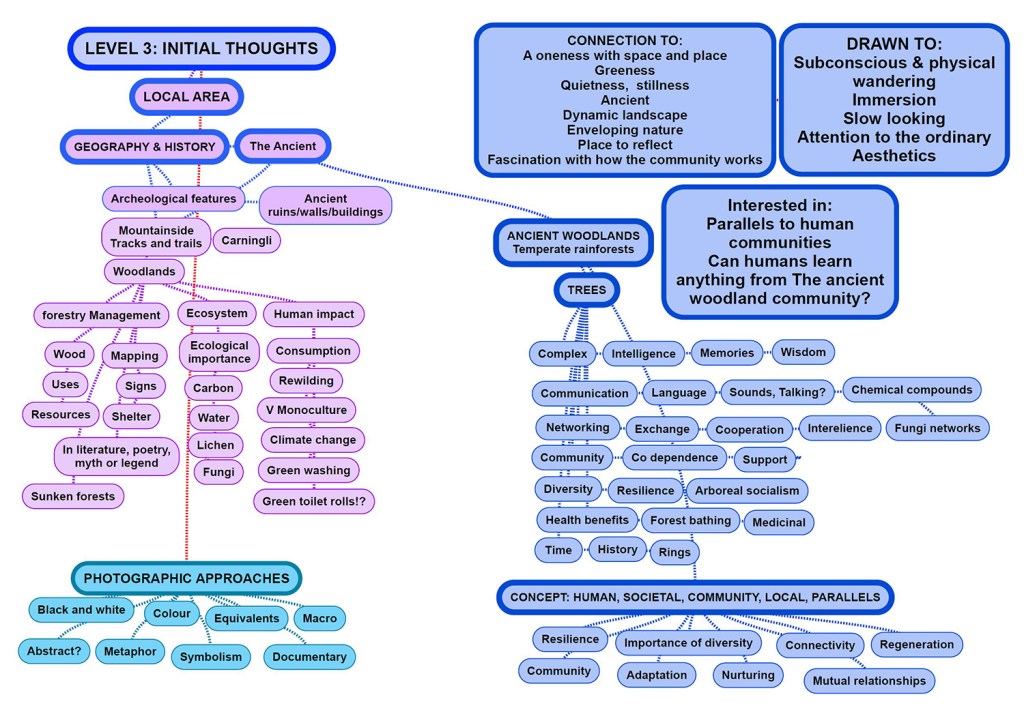
As a walker and photographer, I appreciate the ancient woodlands local to here, not only for their aesthetic appeal but for their example of thriving communities. As a terrain these small temperate rainforests envelop your senses, encourage you to slowly absorb what you see and feel, wake your subconscious, and inspire reflection.  Ancient woodlands are complex communities, with trees at their heart. I am most interested in aspects of their community where parallels can be drawn to human communities; features such as communication, language, cooperation, support, diversity, resilience, networking, adaptation, mutual exchange and adaptation.

APPROACH:

I intend to use the ancient woodland community as a visual metaphor for local community, using a personal, expressive, reflective, visual approach as a visual metaphor for visual community.

RESEARCH

I completed the coursework part one Genres before shooting and did some research on landscape photographers that haven’t looked at before that might inspire my work. My starting point for new research were some of the inside outside landscape photography collective who negotiate the liminal space between the world before us and within. This was an initial scan, below are the main inspirations to me I took away:

  • Rob Hudson: is a conceptual landscape photographer using metaphor and narrative. In his work the Secret language of trees, he gives clues to community, connectivity, and nurturing. He uses “Landscape as representation in photographic formwhere he inhabits “two worlds, the one before us and the one within us(Hudson, 2018). He believes we should illustrate the land by telling stories that interest us not just aesthetic presentations.
  • Stephen Segasby: Uses space and place as a human response to environment and culture, and a metaphoric base for personal narrative, and “making sense” (Seagaby, 2021).
  • Guy Dickenson: He explores place as internal and external passage. He describes how he shifts his eyes from foreground to background with “the passage of thoughts and of the body” (Dickinson,and Griffith, 2018); in the process, losing the horizon, using depth of field and perspective for texture tone and surface.  
  • Tom Wilkinson: In his narrative about his workNothing Remains, he says landscape is composed not only of what lies before our eyes but what lies within our heads” (Wilkinson,,2021) and talks of place and self?
  • JM Golding: “explores the transition from outer landscapes into inner through the experience of the soft fascination of place”, (Hudson,2018).

References:

Dickenson, G (2021) At: https://www.tracingsilence.com/about.html (Accessed 30/10/2021).

Inside the outside Collective (2018) Out of the woods of thought. An exhibition of photography. JW editions. limited edition of 200. 

{Inside the outside Collective (2018) Out of the woods of thought. At: https://www.inside-the-outside.com/publications/2018-exhibition-book/ (Accessed 30/10/2021).

Brydon, A. et al. (2016) A DAY’S JOURNEY INWARD. At: https://www.inside-the-outside.com/jm-golding-days-journey-inward/ (Accessed 30/10/2021).

Dickinson, G. and Griffith, M. (2018) Guy Dickinson. At: https://www.onlandscape.co.uk/2018/05/guy-dickinson-featured-photographer/ (Accessed 30/10/2021).

Hudson, R (2018) Introduction in: Inside the outside Collective (2018) Out of the woods of thought. An exhibition of photography. JosephWright.co.uk. limited edition of 200. 

 Seagaby (2021) Stephen Segasby At: https://www.stephensegasby.com/index (Accessed 30/10/2021).


Wilkinson, (2021)Tom Wilkinson Art Photography (s.d.) At: http://www.i-m.mx/tomwilkinson/ArtPhotography/nothing-remains (Accessed 30/10/2021).

Wright, J. (2019) STATIONS. At: https://www.inside-the-outside.com/stations-guy-dickinson/ (Accessed 30/10/2021).

Previous research on Stieglitz: revisited:

  • Photographs can illuminate personal philosophies (Szarkowski, 1970)
  • landscape photography expressing his ideas and emotions rather than presenting pure visual facts.

Minor White research revisited:

  • He had an amazing eye for observation of the natural landscape and used seeing and feeling in his work “to register a sense of things beyond the visible world” (Green, 1972).
  • He opens up the act of seeing, “Although their meaning seems to at first to be wrapped in metaphor, we see finally that they are frank and open records of discovery” (Szarkowski, 1970:174).
  • His final form was less important that the meaning it evoked, photography had the ability to be metaphorical and photographic representation must be symbolic (Grunberg, 1989).
  • White’s 1963 paper on the concept of Equivalence (1963), described it operating at three levels, the graphic, the mental processes of the viewer and the memories and feelings that remain afterwards (White, 1963).
  • “Great pictures cannot be just about particular landscapes; they have to direct us to more, even eventually to the whole of life” (Adams, 2009:92).

References:

Adams, R. (2009). Beauty in photography. New York, NY: Aperture.

Green, J (1972) in White, M. (1972). Octave of Prayer. New York, NY. p. Back cover.

Grundberg, A. (1989) ‘PHOTOGRAPHY VIEW; Minor White’s Quest for Symbolic Significance’ In: The New York Times 30 April 1989 [online] At: https://www.nytimes.com/1989/04/30/arts/photography-view-minor-white-s-quest-for-symbolic-significance.html (Accessed on 25 August 2019)

Pultz, J. (1980) ‘Equivalence, symbolism, and Minor White’s way into the language of photography’ In: John Pultz Record of the Art Museum, Princeton University Vol. 39, No. 1/2 (1980), pp.28–39 [Online] At: https://www.jstor.org/stable/3774627?seq=1#page_scan_tab_contents (Accessed on 22nd August 2019)

Szarkowski, B.J. (1970) ‘Mirrors Messages Manifestations’ In: The New York Times 8 March 1970 [online] At: https://www.nytimes.com/1970/03/08/archives/mirrors-messages-manifestations-mirrors-american-manhattan.html (Accessed on 21st August 2019)

White, M. (1963) ‘Equivalence the Perennial Trend: PSA Journal, 29 (7) pp.17–21.{Online] At: http://aransomephoto.com/wp-content/uploads/2016/10/Minor-White-Equivalence.pdf

Equivalence: the perennial trend (2016) At: https://theawakenedeye.com/pages/equivalence-the-perennial-trend/ (Accessed on 23 August 2019)

I have also been reading about woodland communities

See my bibliography under research: https://nkssite6.photo.blog/2021/11/07/research-trees-background-reading/

THE RESEARCH AND COURSEWORK GAVE ME SOME IDEAS HOW I COULD REPRESENT MY CONCEPT THROUGH THE LANDSCAPE:

  • Represent the world within me with the world around me
  • Search for my narrative within the landscape
  • As a flaneur I can’t be objective
  • Using a combination of blurred distant views with clarity in close up views.
  • Disregard the horizon and play with perspective.
  • Take viewers into my field of vision
  • Show relationships within the woodlands
  • Infuse images with the feelings I absorb in a place
  • Create a platform for a story to be told

SHOOTING:

I began with Psychogeography as a genre is a good starting point .

I set out to shoot using a combination of drifting and responding emotionally through place but with my theme of community on my mind. As walked, I recorded where my eyes rested. Then as I worked into the project I decided to replicate the scanning ahead that I did as I walked, by just capturing where my gaze went quickly – this resulted in lop sided views, blurred or out of focus images.

When I saw a detail that interested me, at first I shot with good depth of field for good clarity, as that’s what happens when I stop and closely observe something. My first shoot I predominantly used my prime lens, but on subsequent shoots I primarily used my 1:1 macro lens, for both the close up and scanning shots, which gave me the results I wanted. I also experimented with a shallow depth of field.

Once I had settled on my methodology, scanning versus detailed vision represented by uncontrolled photographing versus detailed close ups, I spent more time immersing myself in the place, just photographing whilst walking. 

I didn’t set out to photograph in either colour or black and white, I felt that I had to see what transpired and then choose; I knew that this might make either less strong than if I deliberately sought subjects and compositions for one or other reasons, but that it was more important to go with the flow if I were to adopt the activity of drifting.

I did find it difficult to take completely ordinary shots of detail and subjects close up – I felt the need for there to be some aesthetics in my image, but in composing them I increasingly sought to enhance the aspect of the subject that spoke to me of community, through using different ways of seeing.

EDITING:

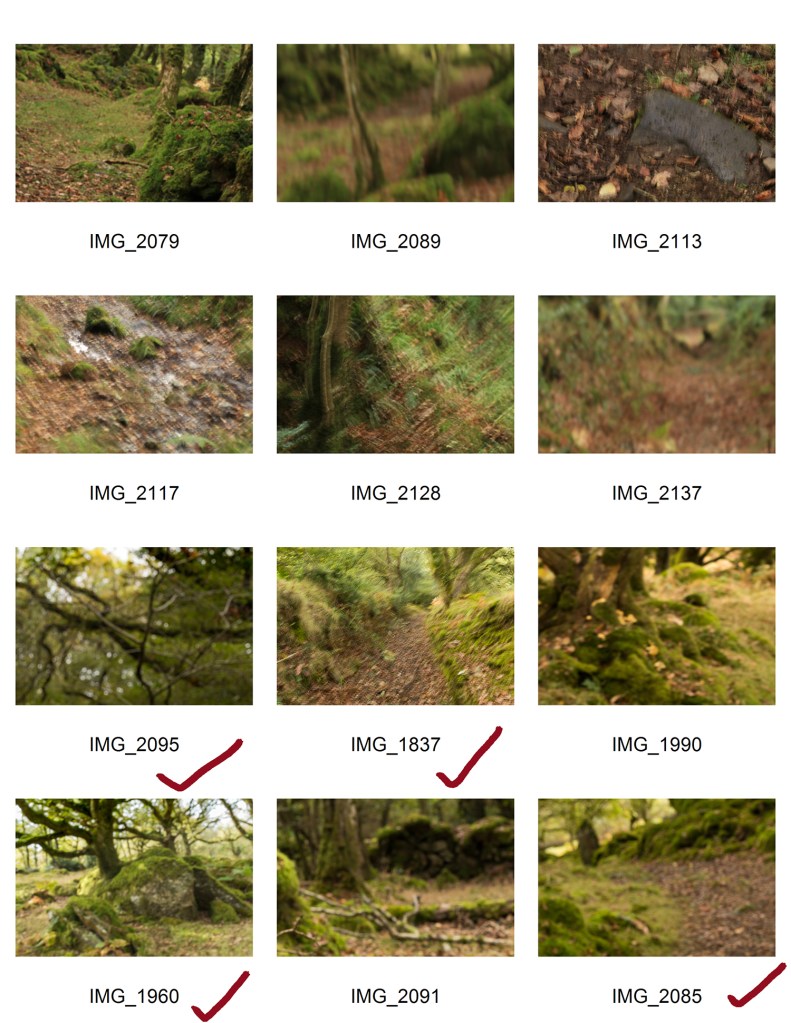
The images were taken over 2 shoots. After reviewing the images from the first shoot I returned to use only my 1:1 Macro lens which brought the results I wanted so that I could concentrate on immersing myself. I then had the blurred distant images that I wanted to represent my journey through the wood and plenty of detailed images.  Whilst editing I tried to choose images that spoke the most to me about community. I thought about presenting different subjects to represent different aspects of community such as diversity, networking support and how I might present this, but then decided this might be something for the future. I returned for a final shoot to feel and capture the essence of community and relationship in the woodlands in different detailed ways, rather than to seek images to form a series.

I have chosen images that offer me different ways to continue this work:

General landscape representation, abstract representation and close up representation which could become abstract representations. Of course it maybe that I mix these styles in my work going forwards.

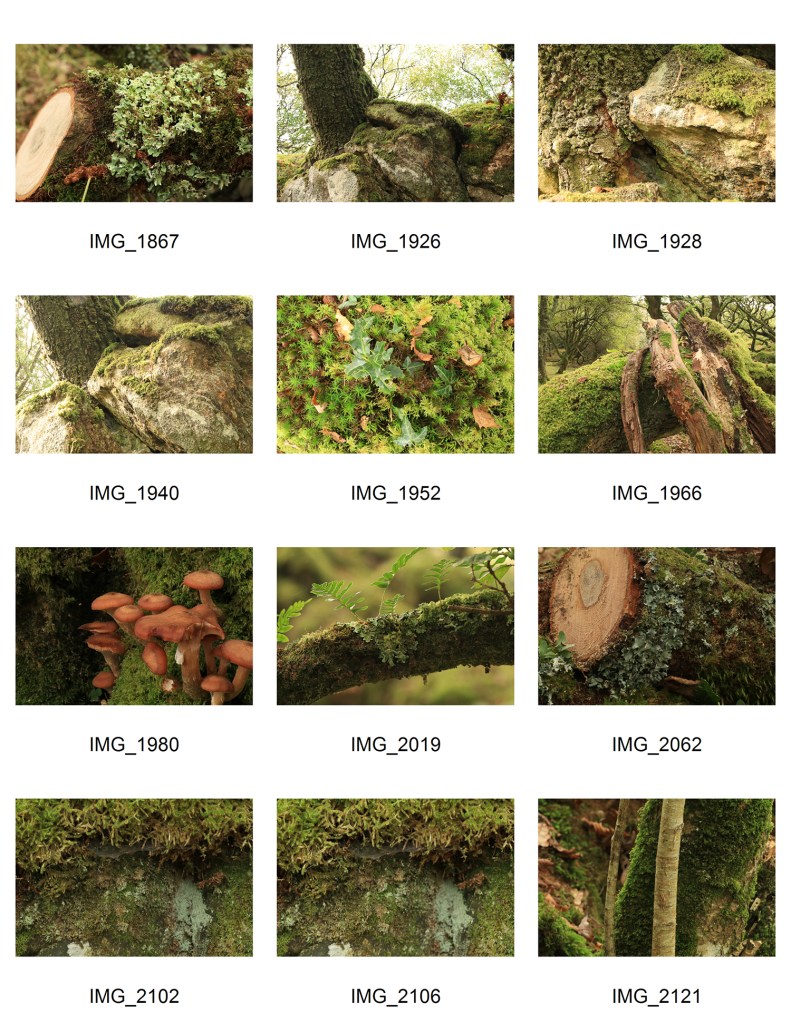
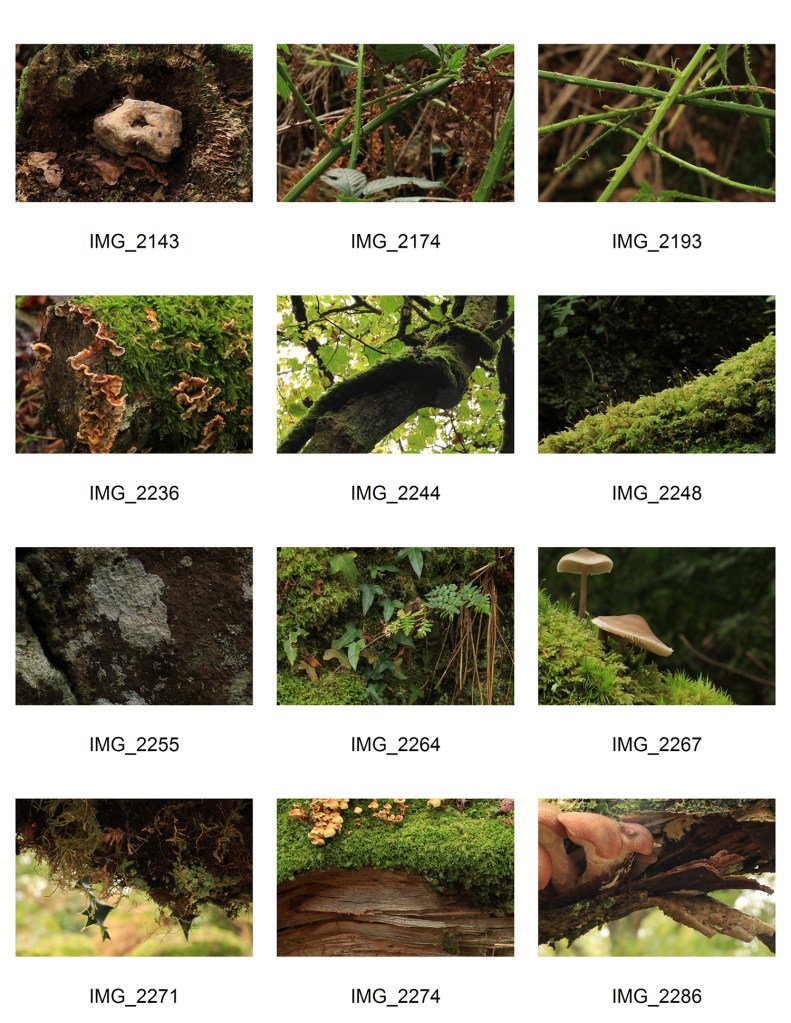
CONTACT SHEETS

Next post: https://nkssite6.photo.blog/category/research/woodland-bibliography/

BODY OF WORK COURSEWORK: PART ONE GENRES

GENRES OVERVIEW AND GENRE HOPPING

We are asked in the coursebook to reflect on the significance of genre as a photographic concept.

Bate writes that genre was introduced in film theory to introduce more systematic thinking and to “encourage the question of the social and cultural function that genres perform”, the use of conventions for structuring (Neale, 1990:3). He explains that ascribing a genre to work in photography creates an expectation for the meanings to be derived from them though they are “promiscuous” as in they are not mutually exclusive.

The question was posed in the coursebook about genre “if the boundaries between genres are blurred, how useful is genre as a concept?” (Boothroyd,2020 :42). I would say that genres are useful as a way of sharing expectations and meanings, however in turn they may be limiting to both the photographer and the viewer if they are accepted rigidly. What I have learned from my revisiting of some genres here, is that there are elements of overlap and indeed elements of some genres which can be taken across to other genres deliberately – and I may try this.

References:

Bate, D. (2009) Photography: The Key Concepts. New York: Berg publishers.

Boothroyd, S (2020) Photography 3: Body of work coursebook. Open College of the Arts. Barnsley.

Neale, S (1990) Questions of Genre, Screen (Oxford university press, volume 31, number 1, spring 1990, p45) cited in: Bate, D. (2009) Photography: The Key Concepts. New York: Berg publishers.

Next post: https://nkssite6.photo.blog/category/body-of-work/bow-assignments/assignment-1/a1-learning-log/

BODY OF WORK COURSEWORK: PART ONE GENRES

RESEARCH POINT: CONCEPTUAL PHOTOGRAPHY

John Hilliard talks about being known as a conceptual artist in the 1960s and 70s. Hilliard is still taking photographs today. Watch the video What is Conceptual Photography? (SOURCE Photographic Review, 2012) and then write a paragraph explaining what you understand by the term ‘conceptual photography’. Provide some examples of recent work that you believe falls into this category. (Boothroyd, 2020:41).

My response:

The video discussed conceptual photography predominantly in relation to the art movement of the late 60s. It was suggested that though the term “Concept” is important for understanding modern work, artists don’t use the term it is more commonly applied by others. In the late 60s artists were working in many ways that were difficult to categorise or even talk about, and the term conceptual art seemed to give a greater rationale for talking about the work. It was also suggested that as Modern art was different from what viewers were used to, the work is more dependent on documentation. It was suggested that some conceptual photographers claimed not to be interested in fine art or outstanding examples of photography.

Hilliard calls conceptual photography a prescriptive activity, such as when he drafts out the idea before taking a photograph. This becomes a “nameable” a set of ideas which you can speak about; and if the purpose is to embed the ideas in the image, then they are in turn intended to be retrievable. Hillard explained that his conceptual art must be contextualised by what is around it, as different contexts can give it quite different readings.

Additional research to illustrate this:

During the 60s and 70s photography became used by conceptual artists to record their ideas and projects. Liz Wells (2015) writes that where Modernist theory had focused on the medium of photography, Conceptual art focuses on ideas rather than objects; with artists concentrating on the way they have expressed themselves an as Hilliard suggested the contexts of interpretation, as well as the influence of the situation to which a viewer might respond.

Photography can be a useful bridge between conceptual art and the gallery. It doesn’t have to have traditional aesthetics, “its beauty could emerge in the clarity of ideas” (Company, 2012:17). Some say that form in photography is not important to conceptual artists, however once photography was accepted into conceptual art, importance was given to its form.

(MoMA, 2021)

Douglas Huebler a pioneer of conceptual art, used his work to challenge photography’s documentary abilities. From 1970 he made a series of “Duration Pieces”, “Variable Pieces”, and “Location Pieces”, documenting everyday activities with photographs, drawings, maps, and text. He experimented by shooting at intervals of 5 miles, 5 yards, or 5 feet, where it was the information, not the technique, the composition, or the material that mattered. He said he only aimed to state the existence of objects in the world.

(Mutual art 2021)

Within the document above he shares that several photographs were made to document various aspects of “everyone alive”, and one was chosen to represent “At least one person who is most probably more interesting than the artist” (Huebler, 1971). I find his concepts perplexing, but this is one of the purposes of conceptual art, provoking thought.

The conceptual artist Keith Arnatt made a series of images “Self-burial” and broadcast them on television over several days, intriguing viewers. His work plays with themes of trace and an artist’s presence in the landscape. He didn’t consider himself an artist but used photography to document his concepts, such as the notion of the invisibility of the artist.


Conceptual art interests me more than it used to. It is photography that illustrates an idea, but I would say and abstract idea. In this way to me it has some things in common with theatrical/cinematic photography: construction, layering and ultimately ambiguity. I am surprised to find after revisiting conceptual photography that it may have some influence on my photographic project, and I do have other conceptual photographers that I am holding off sharing my research on for now.

References:

Boothroyd, S (2020) Photography 3: Body of work coursebook. Open College of the Arts. Barnsley.

Campany, D. (2012) Art and Photography. (s.l.): Phaidon Press.

MutualArt (2021) Douglas Huebler. At: https://www.mutualart.com/Artwork/VARIABLE-PIECE–70–IN-PROCESS-/7DCC8CAF45EE01F4 (Accessed 18/09/2021).

SOURCE Photographic Review (2012) What is Conceptual Photography? (Part 1). At: https://www.youtube.com/watch?v=Mc-BQZ8SvRw (Accessed 07/10/2021).
MoMA (2021) One and Three Chairs. At: https://www.moma.org/learn/moma_learning/joseph-kosuth-one-and-three-chairs-1965/ (Accessed 18/09/2021).

Sritharan, B. (2015) Keith Arnatt: the conceptual photographer who influenced a generation – 1854 Photography. At: https://www.1854.photography/2015/09/keith-arnatt-the-conceptual-photographer-who-influenced-a-generation/ (Accessed 19/09/2021).

Wells, L. (2015) Photography: A Critical Introduction. Abingdon: Routledge.

Next post: https://nkssite6.photo.blog/category/body-of-work/coursework-body-of-work/part-one-genres/genre-as-a-photographic-concept/

BODY OF WORK COURSEWORK: PART ONE GENRES

Research point: Psychogeography

Psychogeography can be described as, responding to a physical space in a literary or artistic manner, and recording and analysing the emotions, feelings, and ideas of being in these spaces. The person capturing this may be called a Flaneuse who drifts through a place responding to the environment.

I have encountered work like this with literacy outcomes when reading the work of Robert MacFarlane who has written various books such as Underland (Macfarlane, 2020) and the Wild Places (Macfarlane, 2007). When writing these he walks through landscapes and responds in prose to his experience, adding amongst other subjects discussions of his concerns on the relationship of man to his landscapes. Roger Deakin’s book Wildwood: A journey through trees (2008), is of particular interest to me; here he explores first by walking and then by writing mans relationship with trees.

I also listened to a very interesting podcast about the Flaneur (BBC, 2016) which led me to the work of Lauren Elkin and her book Flaneuse: Woman walk the city. (2021). If I am to go deeper into this genre, I will explore the writings of Charles Baudelaire and, more currently, Will Self, Iain Sinclair, and Ken Worpole.

I have briefly at this point, explored some work of suggested photographers working in this genre:

Francis Alÿs

Though he often explores cities on foot to inspire his work, his outcome is usually performative art exploring human engagement and the human impact on the environment, I find hard to relate currently to much that I have seen of his work. His work Seven Walks (1999-2005), where he walked the streets of London and represented it through a range of media including photography, leaves me wanting to understand his methodology (Artangel, 2021).

He uses poetic and allegorical methods to address various realities and “addresses anthropological and geopolitical concerns through observation of engagement with everyday life” (Zwirner, 2020), and much of his work is videos. In the work below 2004 in Jerusalem, he walked trailing green paint, along the armistice border, known as ‘the green line’, which had been pencilled on a map by Moshe Dayan at the end of the war between Israel and Jordan in 1948. Though bewildering to onlookers, apparently his action did bring back memories of the green line when the separation fence, was being constructed to the east of the green line. His action did cause discussion and reflection from Israel, Palestine, and other countries.  

antiAtlas (2013) Francis Alÿs – The Green Line

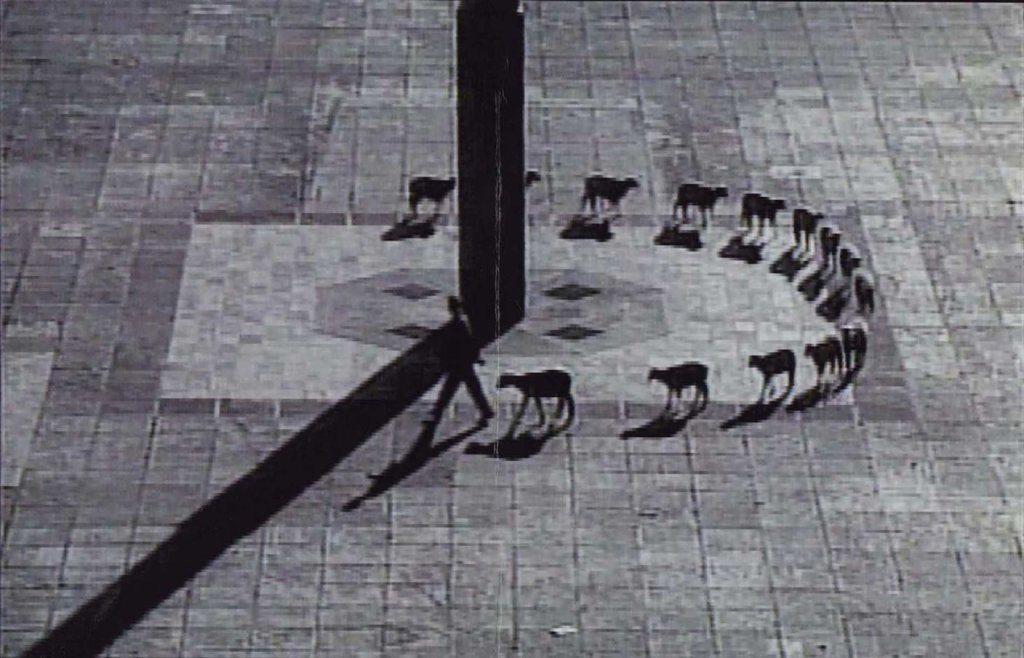
He uses land-based and social practices that examine individual memory and collective mythology, as well as shared cultural histories, urban engagement, and the human impact on the environment. One piece of his work that I can engage with is Patriotic Tales which documents the artist’s re-enactment of a moment in Mexico’s political history. Here Alÿs leads a flock of sheep in single file round a flagstaff in the ceremonial square in Mexico City. In this work he mirrors an event when civil servants were forced to congregate in the Zócalo to welcome the new government, and yet “bleated like sheep to mark their protest” (Francis Alÿs, 1997). Though this strikes me as conceptual work more than psychogeographic.

Francis Alÿs, Cuentos Patrioticos (Patriotic Tales), 1997 (still)

I do find interesting how he combines psycho-geography with conceptual art in my mind. I may return later to his work; and it does also illustrate another outcome as a response to place.

Stephen Gill

A conceptual artist used various unusual techniques to document Hackney to “encourage the spirit of the place to become trapped in the emulsion like amber creating a series of surreal interventions in the photographs” (Galerie, 2021). His techniques like inserting detritus into the camera body, and burying images, do not appeal to me but once again it demonstrates how broad a photographic response to a place can be.

(Stephen GILL, 2021)

Mark Power

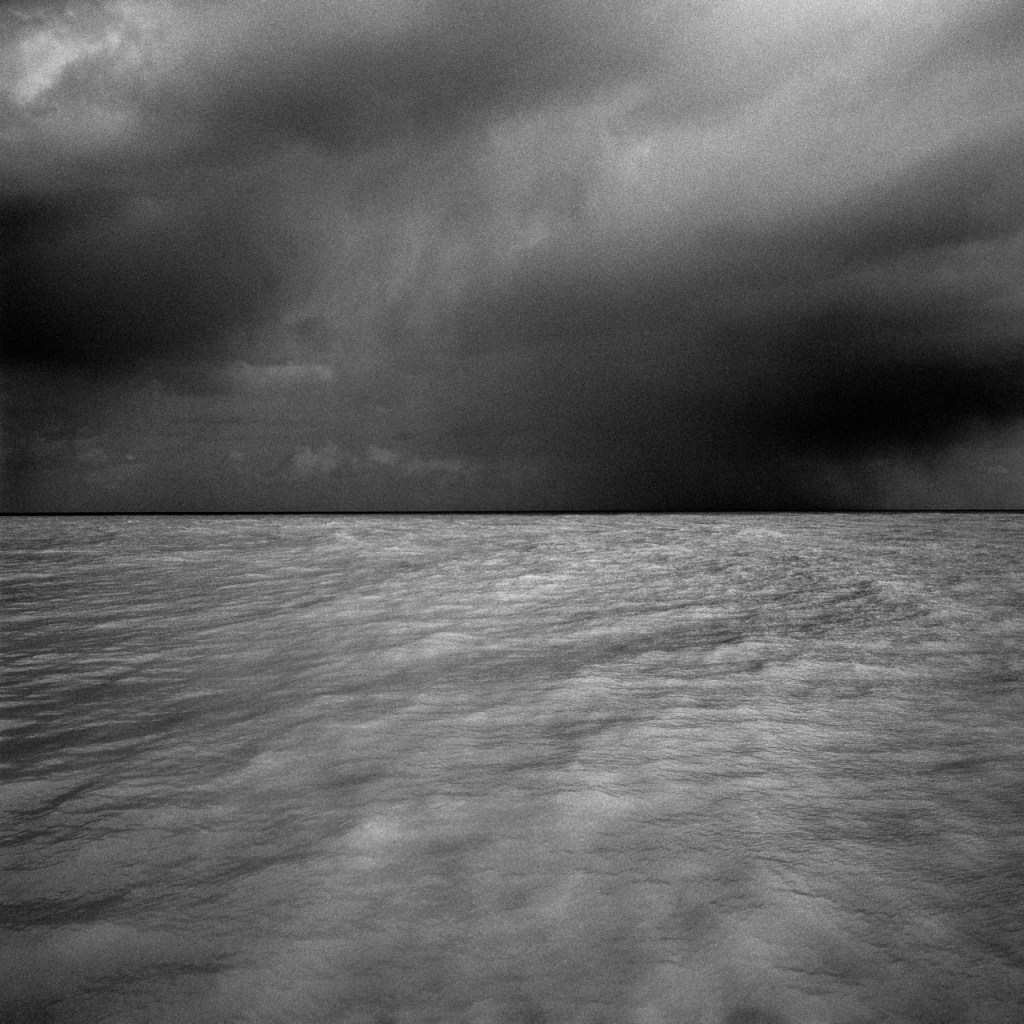
My foray into his works led me to 2 projects The Shipping Forecast (1993-1996) a poetic response to the language of the report “I was looking for pictures that were visual metaphors for the spoken words” (Magnum, 2018).

Mark Power WIGHT. Saturday 18 February 1995. North-westerly backing south-westerly 6 or 7, increasing gale 8 for a time. Showers then rain. Good becoming moderate or poor. © Mark Power | Magnum Photos (Magnum, 2018)

Mark Power BISCAY. Saturday 27 July 1996. Northerly 4 or 5 backing north-westerly 3. Mainly fair. Moderate with fog patches in north. © Mark Power | Magnum Photos (Magnum, 2018)

His other project that struck me was 26 different endings (2003-2006) where he photographed the places that fell off the edge of the London A-Z street atlas – a very interesting concept. I will definitely explore his work further to support me with my own ideas.

Debra Fabricius

She is a self-confessed Flaneur who explores the spaces around her, it is unfortunate her web site is no longer accessible. However, I have found her MA work Urban drift on the University of Westminster website.  Urban drift focused around a 9 mile stretch of Regents canal with an “an archaeological way of seeing and the process of a journey within a city” (Hull, 2020) a fragmented and fragile space and how the social, cultural, domestic, and industrial have impacted on the space. I would have liked to be able to see more of her work.

(Hull, 2020)

I am particularly interested in how she infuses her images with the feelings that she absorbs as a Flaneur and how they “create a platform for a story to be told” (Boothroyd,2020:39) and this is what I would like to do with my work, infuse images with feelings and tell a story.

What I take away from my initial research on psychogeography photography:

This genre could be an interesting starting point for my assignment 1 as I ultimately hope to infuse images with the feeling and spirit of a place whilst telling a story. My research has also opened my perspective on ways to respond and represent my experience of place. I will explore further some of these photographer’s work.

I am asked to answer the question: In terms of psychogeography, do you think it’s possible to produce an objective depiction of a place or will the outcome always be influenced by the artist? Does this even matter? Feel free to answer this with reference to the artists discussed in this section – or any others you’ve come across. (Boothroyd,2020:40).

My response:

It seems unrealistic to expect a flaneur to produce an objective representation of a place, as it is accepted that the purpose of a Flaneur is to absorb and express the spirit of a place. So no, as outlined in my research above, the value of the work of such photographers is in their ability to communicate what they see/feel about a location or journey.

References:

AntiAtlas (2013) Francis Alÿs – The Green Line – antiAtlas of borders. At: https://www.antiatlas.net/francis-alys-the-green-line-en/ (Accessed 06/10/2021).

Artangel (2021) Pebble Walk At: https://www.artangel.org.uk/artwork/pebble-walk/ (Accessed 12/09/2021).

BBC (2016) The Flaneur – Walking in the City (2 May2016) In: BBC 2 May 2016 At: https://www.bbc.co.uk/programmes/b0787dmb (Accessed 12/09/2021).

Boothroyd, S (2020) Photography 3: Body of work coursebook. Open College of the Arts. Barnsley.

Deakin, R. (2008) Wildwood: A Journey Through Trees. (2008): Penguin UK.

Galerie, C. G. (2021) Stephen Gill. At: https://christopheguye.com/artists/stephen-gill/biography (Accessed 12/09/2021).

Hull, S. (2020) Graduate Photography Online 2010: University of Westminster MA Photographic studies. Debra Fabricius. At: https://www.source.ie/graduate/2010/westunivma/westunivma_folder/westunivma_student_folder_09_59_22_26-04-10/westunivma_student_details_09_59_22_26-04-10.xml (Accessed 12/09/2021).

Macfarlane, R. (2018) The Wild Places. (2018): Granta Books.

Macfarlane, R. (2020) Underland: A Deep Time Journey. (s.l.): Penguin Books, Limited.

Magnum (2018) The Shipping Forecast. At: https://www.magnumphotos.com/arts-culture/society-arts-culture/mark-power-the-shipping-forecast/ (Accessed 12/09/2021).

MoMA (2011) Francis Alÿs: A Story of Deception. At: https://www.moma.org/calendar/exhibitions/1091 (Accessed 08/05/2011).

Power, M. (2021) 26 DIFFERENT ENDINGS. At: https://www.markpower.co.uk/projects/26-different-endings (Accessed 12/09/2021).

Stephen GILL (*1971, Great Britain) and Stephen GILL (*1971, Great Britain) (2013) Stephen Gill. At: https://christopheguye.com/artists/stephen-gill/selected-works (Accessed 06/10/2021).

Zabludowicz Collection (2021) Francis Alyss. At: https://www.zabludowiczcollection.com/collection/artists/view/francis-alys (Accessed 06/10/2021).

Zwirner, D. (2020) Francis Alÿs – Artworks & Biography. At: https://www.davidzwirner.com/artists/francis-alys (Accessed 15/06/2020).

Next post: https://nkssite6.photo.blog/category/body-of-work/coursework-body-of-work/part-one-genres/research-point-conceptual-photography/

BODY OF WORK COURSEWORK: PART ONES GENRES

RESPONDING TO THE ARCHIVE

Reading an archive: Allan Sekula

At a time when we are inundated with people taking photographs it has become increasingly commonplace to look back at photographs that would otherwise be lost to history. Thinking about photographs and creating stories, re-contextualising them for a contemporary audience, are important considerations for practitioners working in this genre.

Please refer to Sekula, A. (1999) ‘ Reading an Archive: Photography between Labour and Capital ‘ In: Evans, J.H. (ed.) Visual culture: The Reader. London: SAGE. pp.181–192. (Boothroyd, 2020:30)

Post:

This essay Sekula uses the example of an archive of Mining photographs in the Cape Breton region between 1948 and 1968 made by a commercial photographer Leslie Shedden; these were for the coal company and the coal miners. Sekula says that his aim is to understand the relationship between photographic culture and economic life, “How does photography serve to legitimise and normalise existing power relationships?…how is social memory and historical memory preserved, transformed, restricted and obliterated by photograph?” (Sekula, 1999, p 182).

He explores what photographic archives are: Commercial, corporate, government, museum, historical, collectors for instance. All of which are the property of individuals and defined by their ownership which he calls a “territory of images”. He points out that unusually photograph are often in archives that are not owned or controlled by the author. This means that their meanings may be reinterpreted. He is right to point out that whilst photographs used to be thought as absolute truths “meaning is always directed by layout, captions, text, site and mode of presentation” (Sekula, 1999:194).  So, archives are never neutral, and rely on institutions for their authority, and though it is today accepted that the truth in an image is an interpretation, sitting in an archive influences their reading. 

Sekula also considers the effect of an archive if we simply treat photographs as artworks. He concludes that then the archive becomes an inventory of aesthetic achievement, but then concludes that to consider the collector as an artist themselves is a romantic indulgence.

Photography is both an art and science, though a subjective experience and not as objective as science. Returning towards the end of his essay to the archive of mining images, he points out that this is a mixture of official pictures, private pictures, and personal pictures which are not mutually exclusive categories. This of course may not be so in other archives.

When viewing an archive readers need to be well aware, just as they should be in curated exhibitions, that the meanings and purposes of the photographs may be supplanted by the change of context caused by how they have been collected/arranged. Meaning in photography is most affected by context, and as Sekula points out the archive can never be neutral. Furthermore, I would suggest that if a photographer is to use and archive for their work you then have the possibility of a further mutation of meaning.

References:

Boothroyd, S (2020) Photography 3: Body of work coursebook. Open College of the Arts. Barnsley.

Sekula, A. (1999) ‘ Reading an Archive: Photography between Labour and Capital ‘ In: Evans, J.H. (ed.) Visual culture: The Reader. London: SAGE. pp.181–192.

Next post: https://nkssite6.photo.blog/category/body-of-work/coursework-body-of-work/part-one-genres/psychogeography/